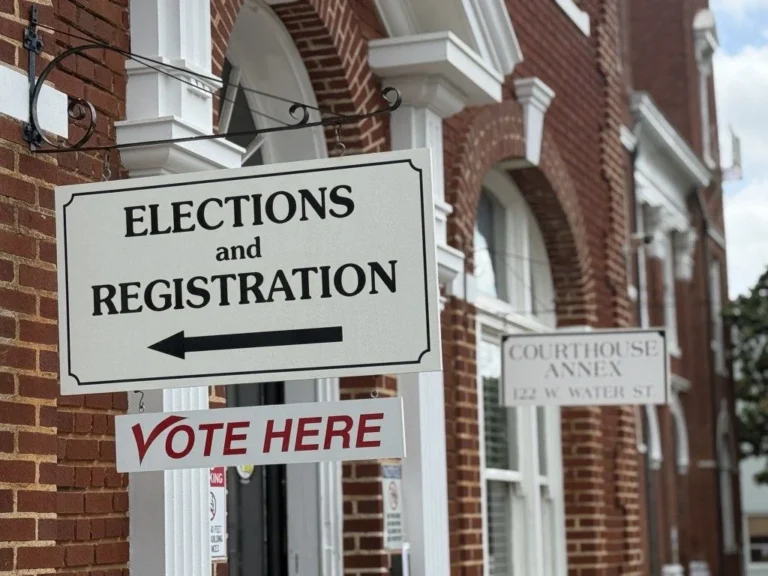
Aurora Council to Debate Election Rules and Strong Mayor Powers
Aurora Town Council will determine on Tuesday whether to grant temporary operational authority to senior administrators. This contingency plan aims to safeguard municipal governance if upcoming municipal election regulations restrict the decision-making capabilities of elected local officials.
Key Highlights
- Council will vote on delegating administrative authority to the CAO and treasurer.
- The “lame duck” status triggers if fewer than 75% of current councillors seek re-election.
- Restructured rules restrict municipal spending and property sales above $50,000.
- Provincial strong mayor powers face identical democratic constraints during the election cycle.
The focus shifts to the “lame duck” parameters of Ontario’s Municipal Act during Tuesday’s virtual council session.
Municipal staff advise council to pass a structural bylaw transferring specific operational responsibilities to the chief administrative officer and the town treasurer. This power shift occurs if Aurora faces a restricted council post-nomination day or following the October 26, 2026 vote.
What is a lame duck council?
Provincial law dictates a municipality becomes restricted when less than three-quarters of its existing politicians return to office. Aurora requires at least six of its seven sitting council members to run for re-election to avoid this designation.
This legal status faces evaluation twice in 2026. The first review occurs after the August 21, 2026 nomination deadline, with the second review following the declaration of official election tallies.
A restricted council cannot hire or terminate employees, appoint or dismiss municipal officers, or sell real estate exceeding $50,000 in value. Furthermore, council cannot authorize new liabilities or expenditures over $50,000 unless previously integrated into the approved municipal budget.
Administrators note the proposed delegation framework guarantees uninterrupted local government operations if these provincial restrictions take effect.
Strong mayor powers add another layer
The official staff report indicates that Aurora’s strong mayor powers, implemented by the province in November 2023, add operational complexity to the democratic process.
The provincial legislation originally transferred distinct employment and dismissal authorities directly to the head of council. However, the Ministry of Municipal Affairs and Housing clarified that these executive privileges remain bound by identical election-year limitations.
Consequently, both the collective council and the mayor face significant operational restrictions if Aurora triggers a lame duck phase.
What authority would staff receive?
If council approves the bylaw and triggers the restrictions, the CAO gains the authority to finalize property transactions, execute legal agreements, manage procurements, and validate expenditures that usually demand explicit political approval.
Staff recommend granting senior management the power to elevate capital budget allocations using non-debt revenues. Management would also oversee non-standard corporate procurements that exceed $250,000.
An attached municipal report notes Aurora adopted identical emergency delegation bylaws during the 2018 and 2022 campaigns. However, administrators never exercised those temporary administrative powers.
The emergency regulations automatically terminate when the newly elected council takes office in November 2026. Staff must deliver a comprehensive public report regarding any utilized powers in early 2027.
Summer break also on agenda
Politicians will also deliberate on eliminating the July 2026 meeting window. This decision could position Tuesday’s virtual gathering as the final regular council meeting before the upcoming autumn session in September 2026.
The agenda recommends executing one targeted cannabis retail review task force session in August 2026. It also requests a procedural variance to schedule a statutory public planning assembly in December 2026.
The digital council broadcast begins at 7:00 PM on June 23, 2026. The public can access the live stream via the town’s official YouTube platform or engage directly by submitting correspondence to the clerk’s office.
Future Outlook
The upcoming vote underscores a growing trend across Ontario municipalities seeking to insulate local administration from political transitions. As municipal dynamics shift under evolving provincial frameworks, the reliance on senior bureaucratic staff ensures that infrastructure projects and essential services do not stall during democratic shifts. Analysts expect more GTA municipalities to establish similar automated administrative guardrails ahead of the October 2026 votes.
FAQs
What defines a lame duck council in Ontario?
A municipal council enters a restricted or lame duck state when it is certain that fewer than three-quarters of the sitting members will return to the next term of council. In Aurora, this threshold requires six out of seven members to seek re-election.
What actions are restricted during a lame duck period?
Restricted councils are prohibited from hiring or dismissing key municipal officers, selling town property worth more than $50,000, or approving unbudgeted expenditures and liabilities that exceed $50,000.
Do strong mayor powers override lame duck restrictions?
No. The Ministry of Municipal Affairs and Housing has confirmed that strong mayor powers are subject to the exact same election-year limitations as the rest of council.
How can residents watch the Aurora council meeting?
The virtual meeting is scheduled for June 23, 2026, at 7:00 PM. Residents can stream the session live on the Town of Aurora’s official YouTube channel or participate by contacting the town clerk.