NYC Overdose Deaths Fall to Lowest Level Since 2019
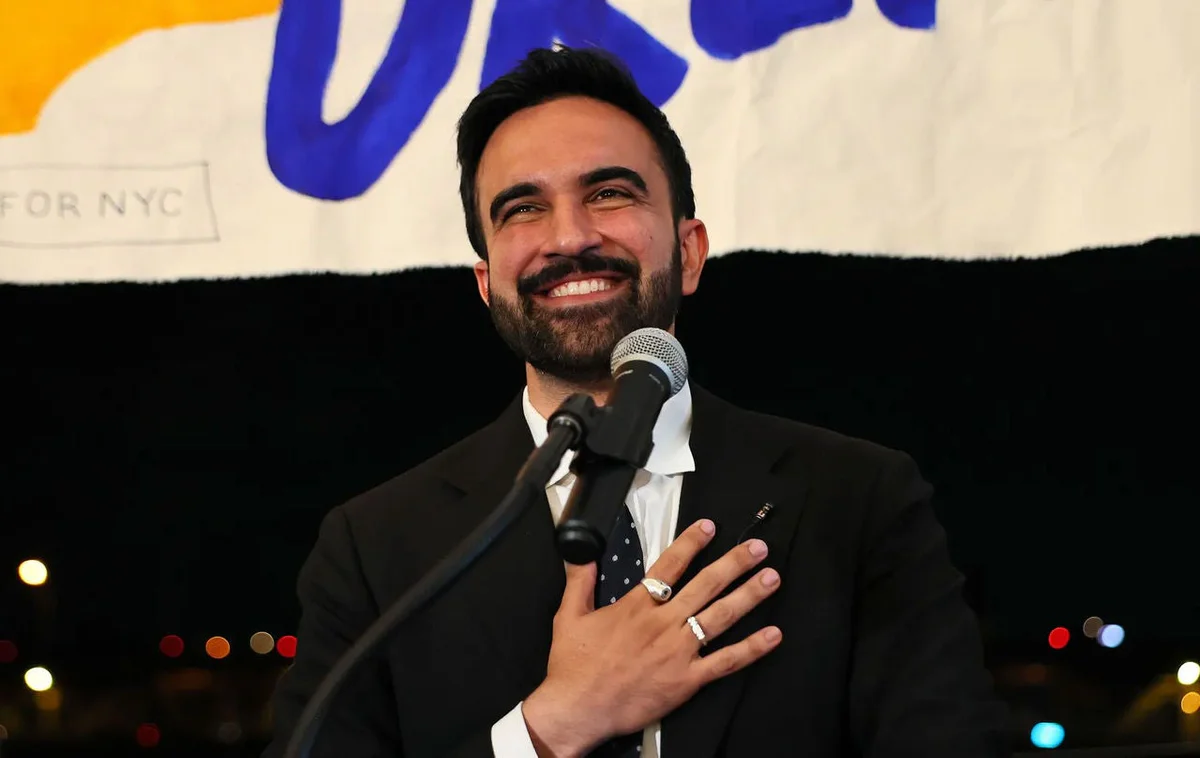
Mayor Zohran Kwame Mamdani announced Nov. 12 that New York City recorded 359 unintentional drug overdose deaths in the second quarter of 2026, its lowest quarterly count since 2019.
The count fell 58% from the record of 859 deaths in the fourth quarter of 2022, according to the Office of the Mayor of New York City.
Surveillance data released by the New York City Department of Health and Mental Hygiene showed a 22% decline from 463 deaths in the same quarter of 2025.
“We will keep fighting to bring these numbers down and ensure that no New Yorker is left behind,” Mamdani said in the announcement.
The April through June count approached the level recorded before the pandemic, when 344 people died of unintentional overdoses in the second quarter of 2019, according to city health surveillance data. The department said the decline through the first half of 2026 followed three consecutive annual decreases.
The annual toll fell 39%, from 3,070 in 2022 to 1,873 in 2025.
In May, Mamdani announced $12 million to expand recovery services for New Yorkers at risk of overdose. The mayor’s office said the money will pay to certify and employ peer specialists, who draw on their own experience with substance use disorder to support people in recovery.
The funding will also expand direct outreach in all five boroughs.
Deputy Mayor for Health and Human Services Helen Arteaga said too many New Yorkers were still dying of overdoses and pledged to make services easier to access. Health Commissioner Alister F. Martin credited harm reduction programs and the service providers who have spent years connecting people with care.
Omar Fattal, chief behavioral health officer at NYC Health + Hospitals, said hospital staff can connect patients with treatment, harm reduction and recovery support after an overdose. He said staff can also make those connections when patients seek help for substance use or visit for another medical or behavioral health need.
Chief Medical Examiner Jason Graham said his office’s relationships with surviving family members led it to launch a program to connect thousands of people at risk with support services. He said the office also provides timely data to guide city policy.
The mayor’s office said New Yorkers seeking mental health or substance use support can call or text 988 at any hour to speak with a trained counselor and get confidential referrals. NYC Mental Health Connect, an online service Mamdani launched in October, helps residents find substance use recovery services in their neighborhoods.
The mayor’s office expects the funding to create 500 new peer specialist positions over four years through community organizations across the city. The expansion supports HealthyNYC, the city’s initiative to reduce overdose deaths by 25% by 2030.