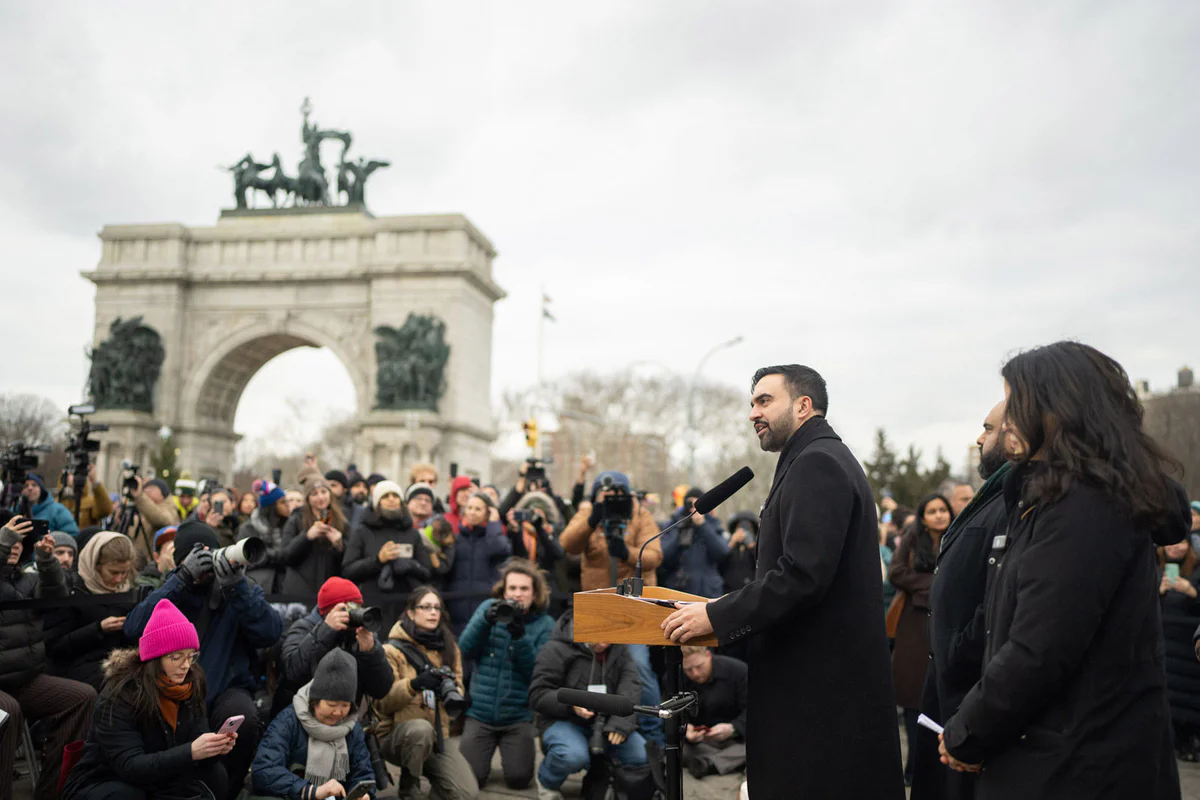
Mamdani Expands NYC Code Blue with $25 Million
New York City Mayor Zohran Kwame Mamdani announced $25 million in new funding on November 9, 2026, to expand emergency outreach, medical care and shelter during severe winter weather. He also outlined changes to how the city clears snow and ice from streets, sidewalks and bus stops.
“This winter, we’re doing things differently – we’re expanding Code Blue to reach more New Yorkers in need, equipping New York’s Strongest to clear snow and ice faster and leaving no stone unturned when it comes to protecting our neighbors from the cold.
No New Yorker should face the dangers of winter alone, and no part of our city should be left behind,” Mamdani said.
The city said the plan builds on its first 24-hourEnhanced Code Blueactivation last winter, when dozens of agencies coordinated their response. The administration opened warming shelters, dispatched warming buses and activated its Strengthening Communities partner network in person for the first time.
The expansion follows severe winter weather that killed more than a dozen unhoused New Yorkersearlier in 2026. TheNational Weather Serviceexpects a strongEl Niño to bring a warmer, wetter winter, with a greater likelihood of rain, sleet and ice and the potential for heavy, wet snow during major storms.
“Throughout 2026, we have been working closely with our partner agencies, nonprofit agencies, elected officials and other stakeholders to update our winter plans and include all that we learned during the extreme cold temperatures and snowstorms that New York City experienced earlier this year,” said Christina Farrell, commissioner ofNew York City Emergency Management.
Code Blue Outreach Across Boroughs
Under the city’s plan, published by Mirage News, the number of outreach teams, vehicles and warming sites in use will depend on how severe the cold, snow or ice becomes and how long it lasts.
The city’s existing open-door shelter policy stays in place during Code Blue, which takes effect when temperatures fallbelow 32 degrees Fahrenheit.
The city will add more than 300 canvassers and assign them walking and driving routes across all five boroughs. The routes will cover 75% of known locations where people experiencing homelessness stay, including subways, parks and encampments. Teams will approach every unhoused person they encounter along those routes instead of relying on predetermined lists.
The city modeled the broader canvassing on its summer Code Red outreach, when teams made contact with20 times more peoplethan in previous efforts.
The Department of Social Services and the Department of Health and Mental Hygiene will continue checks through programs that serve an estimated 12,000 people, including Adult Protective Services, domestic violence services, HIV/AIDS services and Medicaid home care. Staff will check whether people have heat and essential supplies at home and know where to get help. NYC Aging will continue wellness checks on older adults.
The New York City Housing Authority has begun upgrading heating systems and replacing components in public housing. The work is aimed at reducing the risk of heating failures in individual developments during cold weather.
Medical Care and Emergency Shelter
NYC Health + Hospitals will deploy up to 55 WARM mobile units. Each team will include a registered nurse or nurse practitioner who can provide medical support in the field.
The teams can take people to a warming center, a medical facility or another warm location.
The city will also hire nurses to work with street outreach teams during extreme weather. The nurses will check people’s health and safety, assess their ability to make decisions, provide care on site and arrange a higher level of care when needed.
The Health Department will send separate outreach teams to priority locations, including major transit hubs.
The city is adding 800 emergency shelter bedsinmore than 600 roomswith single or double occupancy. TheDepartment of Homeless Services will activate eight drop-in centers, four new warming centers and 20 warming buses at the highest response level.
The public hospital system will open at least three hospitals as warming centers and open all 11 facilities during the most severe weather. The Health Department will extend hours at four syringe service providers so clients can come inside overnight.
Snow and Ice Clearing Routes
The Department of Sanitation has added every bus stop, sidewalk and crosswalk to its internal snow removal maps. The agency said the change will help crews deploy equipment during and after storms, with particular attention to access for older adults and people with disabilities.
New forecast thresholds will let the department stage contractors’ equipment in advance for work on pedestrian routes before and after snowfall.
The department has added eight plow sector routes in Staten Island’s hilliest areas. Sanitation officials said the routes will put more equipment on steep, narrow streets.
Across the city, the department has fitted 678 plows and spreaders with composite blades that follow the contours of the road and reduce damage to roads, bridges and highways.
Sanitation Fleet and Snow Supplies
The department reported the following staffing, equipment and supplies for snow clearing.
- More than 2,200 vehicles** are ready to be fitted with plows.
- **705 salt spreaders, both large and small, have been serviced after last winter. The department also restored other snow removal equipment used during that season.
- 47 pieces of equipment are set aside to clear protected bike lanes.
- 7,000 uniformed sanitation workers** are trained for snow clearing.
- **500 million pounds of salt are stockpiled for use across the city.
- 120 snow blowers, the department’s first, will clear bus stops and crosswalks. An expanded fleet of pickup trucks will carry equipment to those locations.
Emergency Snow Shoveler Pay
Under the city’s revised Emergency Snow Shovelerprogram, workers will earn$30 an hourat the base rate and$45 an hour for time worked beyond 40 hours in a week.
The Sanitation Departmenthad registeredmore than 3,000 emergency shovelers by the announcement, compared with a few hundred at the same point last year.
Snow Clearing Across City Agencies
The Department of Transportation spent $2 million on small snow clearing equipment, including tractors and utility vehicles fitted with plows. The department also set procedures with Citi Bike and JCDeceaux to clear bus stops, bike-share facilities and other priority transit areas more quickly.
New York City Public Schoolsbought10 all-terrain vehiclesequipped with plows and650 snow blowers. The school system also acquired about 3,000 shovels, ice choppers and other tools and fitted its existing equipment with 190 new plow and blade attachments.
The Parks Departmentis preparingnearly 400 vehiclesfor winter operations. The vehicles will operate from11 garages.
Latest response.
GPT-6.1 Sol
Medium
None
Minimal
Light
Medium
High
Extra High
Max
Ultra
Persistent.