State Department Defends Foreign Aid Cuts in Budget Spar US foreign policy undergoes a dramatic shift as funding pivots toward domestic security and national interests. Global Health Funding state-department-defends-foreign-aid-cuts foreign aid, global health funding, state department, federal budget, international relations politics
State Department Defends Foreign Aid Cuts in Budget Spar US foreign policy undergoes a dramatic shift as funding pivots toward domestic security and national interests. Global Health Funding state-department-defends-foreign-aid-cuts foreign aid, global health funding, state department, federal budget, international relations politics
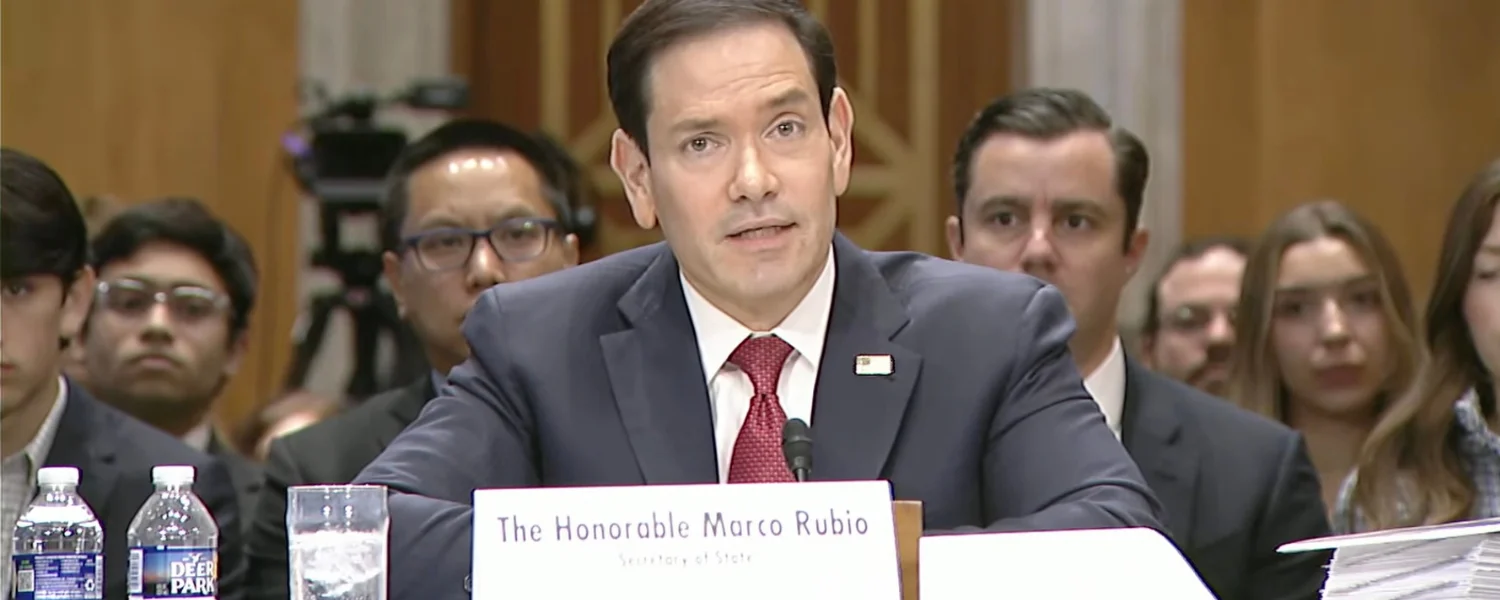
During congressional testimony regarding the 2027 foreign affairs budget, Secretary of State Marco Rubio declared that the United Nations has drifted from its core purpose. Rubio signaled a major shift in how the United States allocates taxpayer dollars, directly impacting global health spending.
Key Highlights
- US foreign policy is actively pivoting away from international institutions to prioritize domestic security and national interests.
- Global health funding faced a sharp reduction, plummeting from $9.4 million to $5.1 million in 2027.
- The Trump administration eliminated funding for the United Nations Population Fund and the World Health Organization in its latest proposal.
- Legislative friction intensified over the refusal to distribute $10 million worth of contraceptives held in overseas storage.
In his remarks before Congress, Secretary of State Marco Rubio criticized international institutions that have long dominated global health operations. He targeted organizations that spent hundreds of millions of dollars overseas to advance UN-style family planning and abortion advocacy.
For many decades, separating family planning initiatives from abortion advocacy in foreign aid frameworks has been nearly impossible. The current administration’s America First agenda explicitly prohibits such funding. This policy redirects American foreign policy strictly toward domestic security and core national interests.
Reflecting this strategic pivot, 2027 witnessed a steep decline in global health funding. The budget allocation dropped from $9.4 million down to $5.1 million.
Representative Grace Meng (D-NY) expressed sharp criticism regarding this modification of federal priorities. She specifically drew attention to the disruption of millions of dollars destined for overseas abortion groups through family planning aid.
Meng asserted that the administration is attacking women by withholding distribution of $10 million worth of contraceptives. These supplies are currently sitting inside a Belgian warehouse facility.
Rubio countered the assertion directly during the hearing. He stated that the government of the United States will not participate in distributing contraceptives and related materials across the globe.
The administration maintains that its agenda optimizes health outcomes, particularly for women, by upgrading global healthcare infrastructure. The strategy focuses on transitioning recipient nations toward complete self-reliance.
Rubio observed that almost every foreign assistance program involves more women, girls, and children than adult males. He noted this demographic distribution is due to the inherent nature of the aid provided.
During the tense exchange, Meng contended that the current policy represents a severe departure from historical precedents. She argued that a completely new plan is required to address the gap.
Meng noted that the United States has supported international family planning programs for over six decades in a bipartisan manner. She questioned the authority under which the department is refusing to spend taxpayer dollars mandated by Congress.
Rubio’s defense reinforces the broader argument that the United States has historically borne an unfair share of global humanitarian funding. He pointed out that this disproportionate burden included development funding for international bodies.
Consequently, the UN Population Fund and the World Health Organization received zero funding in the 2027 budget proposal. Rubio stated that no country comes close to the humanitarian assistance spending of the United States.
Addressing the broader relationship with the UN, Rubio acknowledged some past utility but insisted the institution requires continuous, dramatic reform. He remained firm that future American foreign aid will prioritize domestic interests.
The Secretary described the situation as highly frustrating for the administration. He cited the UN’s consistent inability to intervene effectively or play a constructive role in major global crises.
Rubio acknowledged the deep political disagreements surrounding these policy choices. The statements highlight a profound divergence of opinions over America First strategies, causing intense debate across the political aisle.
Representative Madeleine Dean (D-PA) voiced her opposition to the current trajectory during the session. She stated her belief that the country is moving backward and losing its moral standing globally.
Rubio remained resolute in his defense of the administration’s budgetary adjustments. He concluded by asserting that funding for puppet shows and similar projects overseas will be reduced to zero.
Future Outlook
The legislative standoff over the 2027 foreign affairs budget signals a prolonged realignment of American diplomatic spending. As the United States curtails its financial commitments to the World Health Organization and the UN Population Fund, international allies and non-governmental organizations will likely face mounting pressure to fill the funding void. The administration’s strict focus on building self-reliance suggests that future bilateral aid will be heavily conditioned on structural infrastructure development rather than commodity distribution. This policy shift ensures that foreign aid will remain a contentious ideological battleground in Congress for the foreseeable future.
FAQs
What are the main reasons for the reduction in global health funding?
The reduction reflects a policy shift toward prioritizing domestic security and national interests. The administration aims to eliminate funding for international programs that mix family planning with abortion advocacy, choosing instead to focus on building self-reliant healthcare infrastructure abroad.
How much did the global health budget decrease in the 2027 proposal?
The global health budget proposal experienced a significant reduction, dropping from a previous allocation of $9.4 million down to $5.1 million for the 2027 fiscal period.
Which international organizations were denied funding in the new budget?
The United Nations Population Fund and the World Health Organization were completely excluded from funding in the 2027 foreign affairs budget proposal.
What is the controversy surrounding the Belgian warehouse?
The dispute involves $10 million worth of contraceptives stored in a Belgian warehouse. Lawmakers debated whether the United States government should be actively involved in distributing these supplies globally using taxpayer funds.