India Sovereign Ratings Unfair Says Piyush Goyal Assessments by global agencies fail to capture India’s robust economic…
India Sovereign Ratings Unfair Says Piyush Goyal Assessments by global agencies fail to capture India’s robust economic growth trajectory, Union Minister Piyush Goyal states in London. global credit ratings, India growth trajectory, Piyush Goyal, India Global Forum india-sovereign-ratings-unfair-piyush-goyal credit ratings, macroeconomic indicators, Indian economy, emerging markets, free trade agreement, fiscal health finance
Union Minister Piyush Goyal sharply criticised major global credit rating entities on June 27, 2026, asserting that their economic metrics fundamentally fail to capture India’s rapid expansion.
Key Highlights
- Union Minister Piyush Goyal labeled evaluations by major international rating firms as fundamentally biased.
- Domestic rating agencies provide far more objective and accurate economic assessments, according to the minister.
- The statement occurred during a high-profile trade session at the 10th edition of UK-India Week in London.
- The criticisms emerge alongside updates that a comprehensive UK-India Free Trade Agreement will take effect in July 2026.
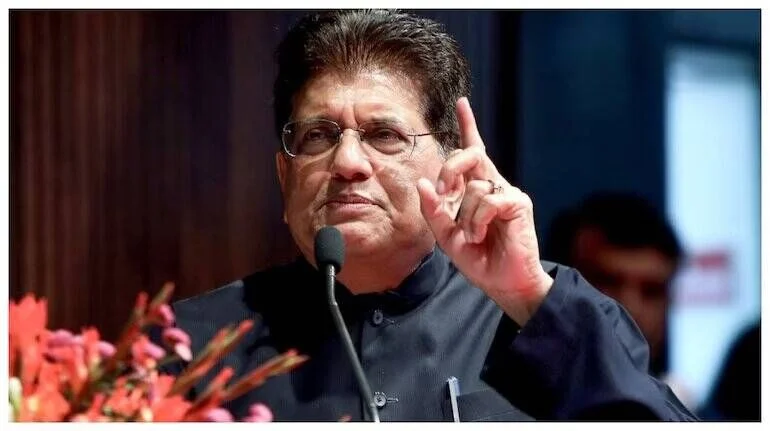
Union Minister Piyush Goyal questioned the credibility of global rating agencies, saying their assessments had failed to adequately reflect India’s growth trajectory. “Fitch, Moody’s and [S&P Global]…They have been unfair to India,” Goyal said while addressing a business session in London. He contrasted their assessments with those of domestic agencies, describing their ratings as more objective.
Speaking during the Capital & Future Frontiers Forum at One Moorgate Place, London, Goyal challenged the methodologies of Western agencies. He noted that domestic rating firms offer a highly precise and reliable reflection of the nation’s fiscal strength.
The minister tied this economic strength directly to upcoming milestones, stating that the UK-India Free Trade Agreement is slated for implementation in July 2026. The landmark pact will mark India’s most expansive bilateral trade framework to date.
The forum highlighted that bilateral commerce has surged from roughly £17 billion to nearly £48 billion over the past decade. Corporate leaders at the event reinforced India’s strong positioning, citing independent regulators, democratic governance, and a massive consumption base driven by a rising middle class as anchors for long-term investment.
Future Outlook
The dispute over sovereign credit scores is expected to intensify as India targets sustained 7% plus annual GDP expansion through 2030. Indian policymakers are increasingly rallying for global methodology reforms. They argue that traditional debt-to-GDP metrics unfairly penalize developing economies while ignoring robust domestic demand, structural digital public infrastructure, and massive currency reserves.
FAQs
Why is India criticizing global rating agencies?
Indian officials argue that major international rating firms use rigid, opaque methodologies that do not accurately represent India’s true economic metrics, fiscal reforms, and long-term expansion potential.
Which rating agencies did Piyush Goyal mention?
The Union Minister specifically targeted the big three international credit rating firms: Fitch Ratings, Moody’s Investors Service, and S&P Global Ratings during his ministerial address in London.
When does the UK-India Free Trade Agreement take effect?
The comprehensive UK-India Free Trade Agreement is officially scheduled to enter into full force and implementation in July 2026.