Arizona Appeals Court Halts Maricopa Election Power Ruling
An appellate court in Arizona has suspended a lower court order that granted Maricopa County Recorder Justin Heap authority over local election operations, preventing immediate changes just ahead of the upcoming primary.
Key Highlights
- The Arizona Court of Appeals issued a stay on a ruling that favored Republican Recorder Justin Heap against the county board.
- The judicial panel invoked the Purcell principle to prevent administrative disruption right before the primary election.
- The legal conflict involves control over voting equipment, IT personnel, and the authorization of ballot drop box locations.
- Additional friction remains regarding an independent probe into a voting scanner removal and internal county legal authority.
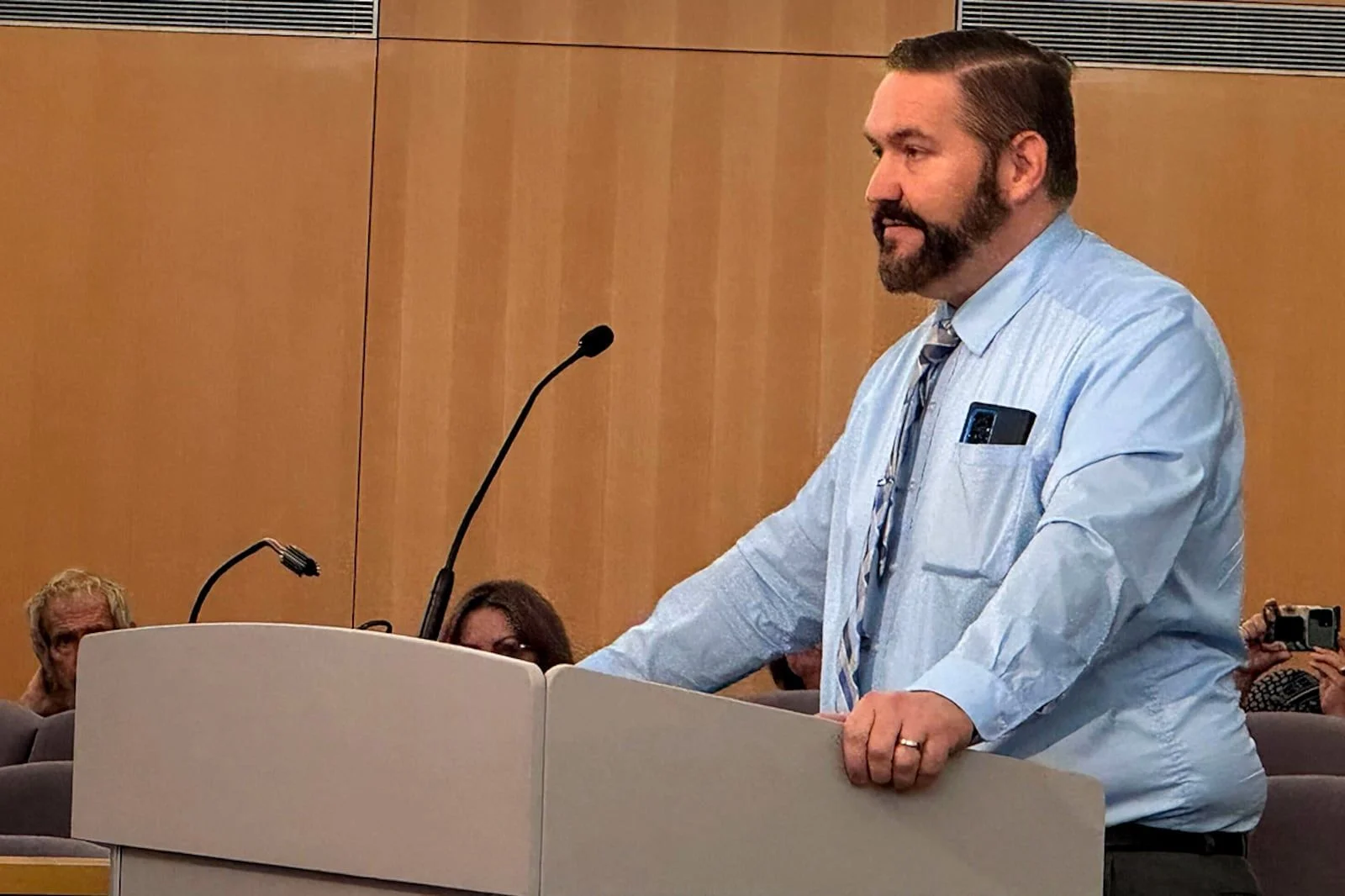
The Arizona Court of Appeals has instituted a temporary stay on a judicial decision that favored Maricopa County Recorder Justin Heap. The ongoing legal battle involves control over election administration within the critical swing county, pitting Heap against the local board of supervisors.
Two members of the three-judge panel decided to halt the lower court’s mandates to preserve stability for the imminent state primary. Conversely, Justice Brian Furuya, a 2021 appointee, dissented from the majority decision and opposed granting the administrative stay.
The appellate intervention effectively pauses the intense institutional conflict inside the county administration. The freeze comes only a few days before early voting commences in the highly competitive primary race.
This administrative friction began when Heap assumed his role. He asserted that the Maricopa County Board of Supervisors stripped his position of essential powers through a previous arrangement made with his administrative predecessor. Heap launched his lawsuit in 2025.
Following prolonged legal arguments, Maricopa County Superior Court Judge Scott Blaney ruled substantially in favor of Heap on April 16, 2026. Blaney issued an injunction requiring the Republican-majority board to return administrative functions and IT personnel to the recorder.
The supervisors challenged the injunction, asserting that implementing wholesale organizational shifts right before the primary endangered election security. They claimed the sudden transition risked creating widespread procedural confusion.
Concurrently, local officials continued to clash. Heap petitioned Judge Blaney last month to find the supervisors in civil contempt, alleging they intentionally ignored the directives laid out in the initial court injunction.
Heap also attempted to block an independent investigation into his staff. The inquiry focuses on whether employees unlawfully extracted a ballot scanner from the tabulation headquarters during a local election earlier in 2026.
The appellate panel ultimately favored the supervisors, applying the Purcell principle. This judicial doctrine, named after former Maricopa County Recorder Helen Purcell, strongly discourages changing voting procedures directly before an election occurs.
Justices Andrew Jacobs and James Morse determined that Blaney’s injunction demanded operational adjustments. They noted these changes would cause noticeable, direct impacts on how the public experiences voting at the polls.
The majority opinion stated that the operational shifts carry real-world consequences for voters. The judges emphasized that the conflict extends beyond minor internal accounting arguments or standard organizational charts.
The panel concluded that the board is highly likely to win the case on its legal merits. They reaffirmed that late changes place heavy burdens on workers and complicate the voting process.
This legal maneuvering occurs as outside political figures attempt to influence state voting systems. Donald Trump’s former White House aide Stephen Miller has sought involvement in Arizona’s election processes, a move Heap requested courts to block.
What does the appellate court’s decision mean for the Arizona primary?
Board of Supervisors Chair Kate Brophy McGee stated the appellate intervention protects local voters. She noted the order stops potential polling place chaos that could stem from forcing massive administrative changes on the eve of consecutive elections.
A representative for Heap did not provide an immediate comment regarding the appellate stay. Blaney previously directed both sides to enter formal mediation. Representatives from the opposing camps did not confirm if the mediation session scheduled for June 22, 2026, would move forward.
The impact on a parallel legal complaint by Maricopa County Attorney Rachel Mitchell remains uncertain. Mitchell claims Heap’s private attorneys are infringing on her statutory role. Her office stated they are evaluating how this stay affects their ongoing case.
Future Outlook
The appellate block sets up a high-stakes legal showdown following the 2026 primary cycle. While the temporary stay ensures that the Maricopa County Board of Supervisors retains operational control over the immediate election, the underlying merits of the lawsuit remain unresolved. Legal experts anticipate the core statutory questions regarding the division of power between county recorders and supervisors will eventually head to the Arizona Supreme Court, potentially rewriting election administration rules for the 2028 presidential race.
FAQs
What is the Purcell principle in election law?
The Purcell principle is a legal guideline establishing that courts should not alter voting rules or election administration procedures in the period immediately preceding an election, as doing so can confuse voters and overburden election workers.
Who is Justin Heap?
Justin Heap is the Republican Maricopa County Recorder who took office and challenged the county board of supervisors over election powers, demanding control over IT staff, drop box locations, and election equipment.
Why did the Arizona Court of Appeals issue a stay?
The court issued a stay to prevent operational chaos and administrative disruption right before the state primary election, ruling that the Board of Supervisors would likely prevail on the merits regarding the timing of the changes.
What caused the internal investigation into Heap’s office?
The investigation was launched to determine whether employees in the recorder’s office violated the law by removing a ballot scanner from the Maricopa County vote tabulation center during a local election earlier this year.