India Sex Trafficking Crisis Deepens as Supreme Court Orders Urgent Reform
A severe human trafficking crisis continues to impact vulnerable women and children across India. Recent national data exposes a major rise in commercial sexual exploitation, driving the Supreme Court of India to issue an urgent nationwide mandate to overhaul rescue operations, immediate protection, and long-term victim rehabilitation frameworks.
Key Highlights
- 40% of all registered human trafficking cases across India are driven by the purpose of prostitution.
- Maharashtra leads the nation in sex trafficking cases, followed closely by Telangana and Andhra Pradesh.
- The Supreme Court has mandated a binding, nationwide “Victim Protection Plan” under Articles 32 and 142.
- Legal prosecution faces a severe backlog, with case pendency rates remaining above 90% for five consecutive years.
A survivor named Saleya, who suffered domestic abuse, was deceived by a fellow villager with false promises of employment. She was trafficked to the Falkland Road red-light district in Mumbai for Rs. 1,00,000, where she was forced into commercial sex work.
Saleya later gave birth to a daughter and attempted to establish a stable family in Akluj. However, her partner’s severe alcoholism and infidelity forced her to flee. She relocated frequently between Tuljapur, Akluj, and Mumbai, working multiple jobs to support her children independently.
Seeking systemic support, she moved between several rehabilitation centers while training to become a professional beautician. In 2025, upon discovering she was pregnant again, she moved into a specialized Mumbai shelter dedicated to human trafficking survivors.
Saleya expressed her determination to build an independent life rather than return to her family, who remain unaware of her current circumstances. She intends to utilize her professional skills to earn a living and raise her children securely.
She currently resides at Udaan House alongside five other survivors who endured similar exploitation before their rescue. Project manager Varsha Kamble noted that most victims face extreme poverty, lack economic stability, or suffer emotional manipulation by individuals they trust.
Traffickers systematically exploit these vulnerabilities by offering false promises of education, financial security, or relationships. Once the victims place their trust in these perpetrators, they are systematically forced into commercial sexual exploitation.
What data reveals
The National Crime Records Bureau released its ‘Crime in India Report’ in May, showing a marginal 3.3% decrease in human trafficking cases. Total registered incidents dropped slightly from 6,043 in 2023 to 5,839 in 2024.
However, this minor statistical drop masks a severe crisis regarding women’s safety across the country. The official report confirmed that 40% of human trafficking cases were committed for the purpose of prostitution, with numbers climbing from 2022 to 2024.
Maharashtra registered the highest volume of offenses at 829 cases. Telangana followed with 770, Andhra Pradesh recorded 279, and Bihar reported 97. These specific states consistently remain the primary centers of this nationwide human trafficking crisis.
Maharashtra has led the country in human trafficking cases committed for the purpose of prostitution since 2017. The state continues to show a growing proportion of human trafficking cases involving sexual exploitation for prostitution.
Bottlenecks in the anti-trafficking framework
Acknowledging critical failures in current protection and rehabilitation systems, the Supreme Court delivered a landmark ruling on March 30. This judgment officially established a legally binding, nationwide “Victim Protection Plan” to safeguard survivors of commercial exploitation.
The landmark judicial proceedings originated from a public interest litigation filed by the anti-trafficking non-governmental organization Prajwala in 2004. Invoking constitutional powers under Articles 32 and 142, the bench issued comprehensive operational mandates.
The apex court bench, comprising Justice J.B. Pardiwala and Justice R. Mahadevan, stated that the absence of a structured plan risks undermining rescue operations. They emphasized the critical need for a binding framework to manage victims during and after rescue.
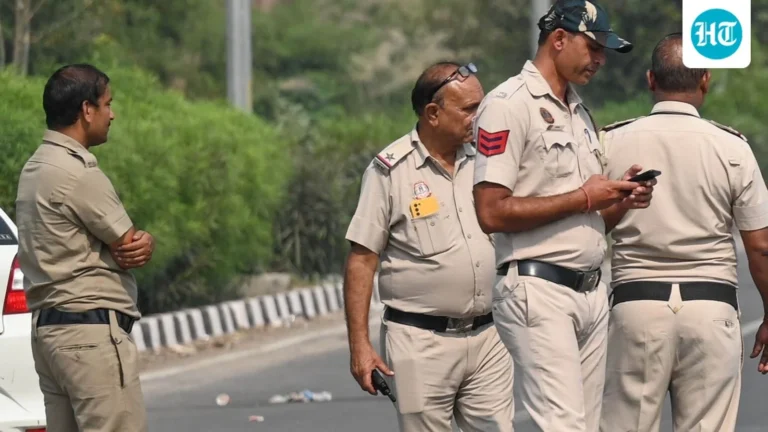
The mandate enforces strict operational standards for Anti-Human Trafficking Units. Each specialized unit must be commanded by an officer of Deputy Superintendent of Police rank and include a minimum of two female police officers and cybercrime personnel.
State governments must formally designate these specialized units as fully functioning police stations. This administrative status grants them explicit legal jurisdiction to register first information reports and independently investigate trafficking networks across their respective districts.
Every individual unit must maintain and update a monthly localized intelligence database. This tracking system records identified traffickers, rescued victims, and highly vulnerable communities, transferring data to State Anti-Trafficking Bureaus and the National Crime Records Bureau.
Despite these judicial directives, a significant operational gap remains between authorized policies and real-world implementation. The enforcement of these specialized anti-trafficking commands varies drastically across different state jurisdictions.
The Ministry of Home Affairs originally launched a national scheme in 2019 to establish these units across all districts, utilizing specialized funding from the Nirbhaya Fund. The primary objective was providing every district with dedicated investigative infrastructure.
Although states such as Uttar Pradesh, Uttarakhand, and West Bengal successfully deployed units across all administrative zones, nationwide execution remains highly inconsistent. Multiple states still operate with fewer functional units than their total number of districts.
This uneven distribution leaves a massive portion of administrative districts without specialized law enforcement teams. Consequently, local police forces without specific anti-trafficking training are frequently left to manage complex cross-border exploitation cases.
Data shows children at centre of the crisis
In 2023, field operators rescued a 14-year-old minor in the Kalamboli locality of Navi Mumbai. The child had been trafficked into commercial sex work by her maternal uncle and aunt following the death of her father.
The relatives transported the minor from Kishanganj in Uttar Pradesh under the false pretense of securing an education and employment. The perpetrators continuously dismissed her distress, claiming such actions were standard methods for earning income in Mumbai.
Kamble stated that betrayal by immediate family members inflicts deep psychological trauma, destroying a victim’s capacity to trust. During law enforcement raids, victims frequently mistake rescue workers for arresting officers, leading them to conceal their histories initially.
Official data compiled under the Immoral Traffic (Prevention) Act of 1956 reveals that 2,301 female victims were recorded nationally. Andhra Pradesh, Karnataka, Maharashtra, Tamil Nadu, and Bihar registered the highest numbers of victims under this specific statute.
The age demographics within these leading states present a deeply concerning reality. In Tamil Nadu, Karnataka, and Andhra Pradesh, over 40% of all documented victims were minors under the age of 18 under Section 5 of the Act.
Role of police and judiciary in human trafficking cases
Anti-trafficking organizations report that multiple field rescue operations have failed due to information leaks from local police ranks. This corruption frequently compromises operational security before raid teams can access brothels.
To counter these operational security breaches, non-governmental organizations now conceal exact target coordinates from local stations until rescue teams arrive near the site. This procedural adjustment helps prevent suspects from relocating victims prior to intervention.
Beyond law enforcement failures, an analysis of five years of national crime data reveals severe systemic blockages within the Indian judicial framework. The legal process faces two critical structural issues that delay justice for survivors.
First, the overall conviction rate for offenses prosecuted under the Immoral Traffic (Prevention) Act dropped from 2022 to 2024. This steady decline highlights a diminishing rate of successful prosecutions against trafficking syndicates.
Second, the total percentage of cases awaiting trial has remained frozen above 90% for five consecutive years. This severe court backlog delays judicial resolution and leaves survivors in prolonged legal limbo.
Legal experts note that individuals prosecuted under the Protection of Children from Sexual Offences Act face incredibly stringent proceedings. Conversely, perpetrators arrested under the Immoral Traffic (Prevention) Act easily secure bail and rapid release.
Meanwhile, Saleya continues her professional rehabilitation, working toward financial independence as a skilled beautician. She remains focused on securing a dignified future for her family away from her abusive past.
Future Outlook
The implementation of the Supreme Court’s mandated Victim Protection Plan marks a critical shift toward standardized survivor care in India. If state governments successfully bridge the gap between policy and local enforcement, the formal integration of Anti-Human Trafficking Units as dedicated police stations could significantly improve prosecution rates. However, clearing the 90% judicial backlog and restricting easy bail for repeat offenders under the Immoral Traffic (Prevention) Act remain crucial hurdles that the legal system must address to permanently dismantle trafficking networks.
FAQs
What is the purpose of the new Victim Protection Plan mandated by the Supreme Court?
The Victim Protection Plan is a binding nationwide framework established by the Supreme Court of India to standardize how trafficking survivors are handled. It provides clear, strict operational guidelines for rescue operations, victim identification, legal prosecution, and long-term institutional rehabilitation.
Which Indian states report the highest numbers of human trafficking cases for prostitution?
Maharashtra consistently records the highest volume of human trafficking cases for commercial sexual exploitation in India. It is followed closely by Telangana, Andhra Pradesh, and Bihar, which collectively account for the majority of these offenses nationally.
Why is the low conviction rate under the Immoral Traffic (Prevention) Act a major concern?
Data shows that the conviction rate for human trafficking offenses declined from 2022 to 2024, while court case pendency rates remained above 90% for five consecutive years. This combination allows perpetrators to easily secure bail and escape strict punishment, weakening the legal deterrent against trafficking.