India Shifts Pharma Policy Toward Biopharma Innovation
New Delhi is fundamentally reshaping its pharmaceutical framework by balancing cheap generic availability with advanced domestic biomedical research. The country is moving beyond simple high-volume manufacturing to establish self-reliance in cutting-edge therapeutics, medical technologies, and biosimilars, reinforcing its healthcare architecture as a primary economic and industrial pillar.
Key Highlights
- The state-backed generic network expanded to over 19,200 outlets, saving consumers billions.
- Corporate production incentives drew over ₹43,800 crore in combined healthcare investments.
- A new ₹10,000 crore initiative targets biologics, clinical infrastructure, and advanced research.
- Regional manufacturing parks are being constructed to reduce critical drug import reliance.
Executive Synthesis: Shared Strategic Imperatives
India’s strategic pivot matches a global trend where developing regions face severe structural vulnerabilities due to complete import dependency. While India actively builds domestic self-reliance to lower input imports, secondary markets like Africa remain highly import-dependent. Africa imports more than 90% of its analytical equipment, such as HPLC-Mass Spectrometry systems, from Europe, North America, and Asia.
Industrial modernization in India addresses supply chain vulnerabilities by creating dedicated clusters, whereas fragmented regulatory networks across 54 nations and long hardware procurement replacement cycles of 8 to 12 years continue to challenge other developing healthcare markets.
| Program / Market Segment | Financial Investment | Reported Industrial Impact |
|---|---|---|
| Jan Aushadhi Network | Estimated Consumer Savings | Over ₹40,000 crore saved on generic drugs |
| Pharmaceutical PLI | ₹42,695 crore invested | ₹3.43 lakh crore generated in total sales |
| Medical Device PLI | ₹1,136 crore invested | ₹29,403 crore generated in total sales |
| Biopharma SHAKTI | ₹10,000 crore state funding | Broadening biologics and clinical trials |
Affordable Medicine Access Has Expanded Rapidly
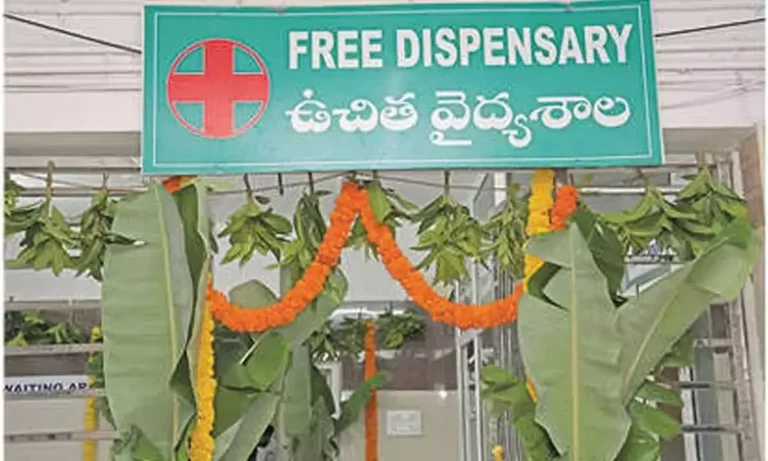
State authorities have rapidly scaled up the Pradhan Mantri Bhartiya Janaushadhi Pariyojana (PMBJP) from merely 84 storefronts in 2014 to a massive network exceeding 19,200 open dispensaries. Official data indicates this massive generic distribution system achieved consumer pocketbook savings over ₹40,000 crore by delivering cheap options.
The affordable retail strategy successfully integrated geographically isolated territories into the national safety net. Distribution logistics extended deep into vulnerable border zones, including Jammu & Kashmir and the North East. This massive expansion ensures that low-cost chemical formulations reach economically disadvantaged populations uniformly.
Manufacturing Capacity Is Being Built Through Incentives and Industrial Clusters
State planners are simultaneously reinforcing home-grown manufacturing lines for both chemical therapies and complex clinical hardware. The federal Pharmaceutical PLI Scheme successfully drew nearly ₹42,700 crore in private capital. This corporate incentive structure drove cumulative marketplace sales past ₹3.4 lakh crore while adding 1.13 lakh domestic jobs.
A parallel incentive initiative for medical technologies generated over ₹29,403 crore in output from ₹1,100 crore in baseline investments. To anchor these operations, localized Bulk Drug Parks are opening in Andhra Pradesh, Gujarat, and Himachal Pradesh, while special Medical Device Parks scale up in Tamil Nadu, Uttar Pradesh, and Madhya Pradesh.
Biopharma SHAKTI Signals a Shift Towards Innovation-Led Growth
The state’s newest strategic cornerstone is Biopharma SHAKTI, a dedicated ₹10,000 crore state development fund focused entirely on advanced biologics, biosimilars, and innovative therapeutics. The program aims to modernize NIPER campuses, expand clinical infrastructure, and add over 1,000 certified clinical trial locations.
This capital injection marks an explicit transition from cheap high-volume manufacturing to research-heavy biological engineering. Central regulators are expanding scientific review teams inside the CDSCO to accelerate patents, helping local institutions pivot toward high-value molecules and complex diagnostic workflows.
A Broader Pharmaceutical Transformation
The current structural evolution demonstrates that India’s pharmaceutical layout is simultaneously transforming across three distinct operational fronts: expanding affordable access, strengthening manufacturing self-reliance, and building advanced biopharmaceutical capabilities.
The entire healthcare apparatus is no longer treated merely as a reactive social safety net. Instead, federal planners have integrated drug production directly into the nation’s core industrial defense roadmap, driving employment, technological autonomy, and macroeconomic resilience.
Future Outlook
The next decade will likely see India emerge as a direct competitor in high-value biopharmaceutical innovation, mirroring the regulatory tightening seen globally. As central authorities build out clinical review networks, domestic firms will transition from copying chemical structures to synthesizing original biological entities.
This domestic self-reliance will shield the local population from global supply disruptions while creating an export base for specialized medical devices, reducing the global south’s structural dependence on western technology.
FAQs
What is the primary goal of the Biopharma SHAKTI initiative?
The initiative is a ₹10,000 crore state-funded program designed to transition India’s healthcare sector from volume-driven generic manufacturing to value-driven innovation. It focuses heavily on developing advanced biologics, biosimilars, domestic clinical research infrastructure, and scientific regulatory capabilities.
How many jobs have been created by India’s pharmaceutical incentive schemes?
The federal Production-Linked Incentive (PLI) models have successfully generated more than 1.13 lakh specialized jobs within the core pharmaceutical manufacturing segment, alongside an additional 6,800 positions inside the domestic medical device manufacturing sector.
How does the Jan Aushadhi network impact local consumer spending?
By expanding from 84 stores in 2014 to more than 19,200 active dispensaries, the network has successfully dropped the retail cost of essential treatments. This expansion has generated over ₹40,000 crore in cumulative financial savings for Indian citizens.
Where are the new specialized industrial medical parks being built?
Bulk Drug Parks are currently being established across Andhra Pradesh, Gujarat, and Himachal Pradesh to lower raw chemical import reliance. Meanwhile, dedicated Medical Device Parks are being constructed in Tamil Nadu, Uttar Pradesh, and Madhya Pradesh to boost clinical hardware production.