Amritsari Kulcha Legacy Sparks GI Tag Push Amid Royal History
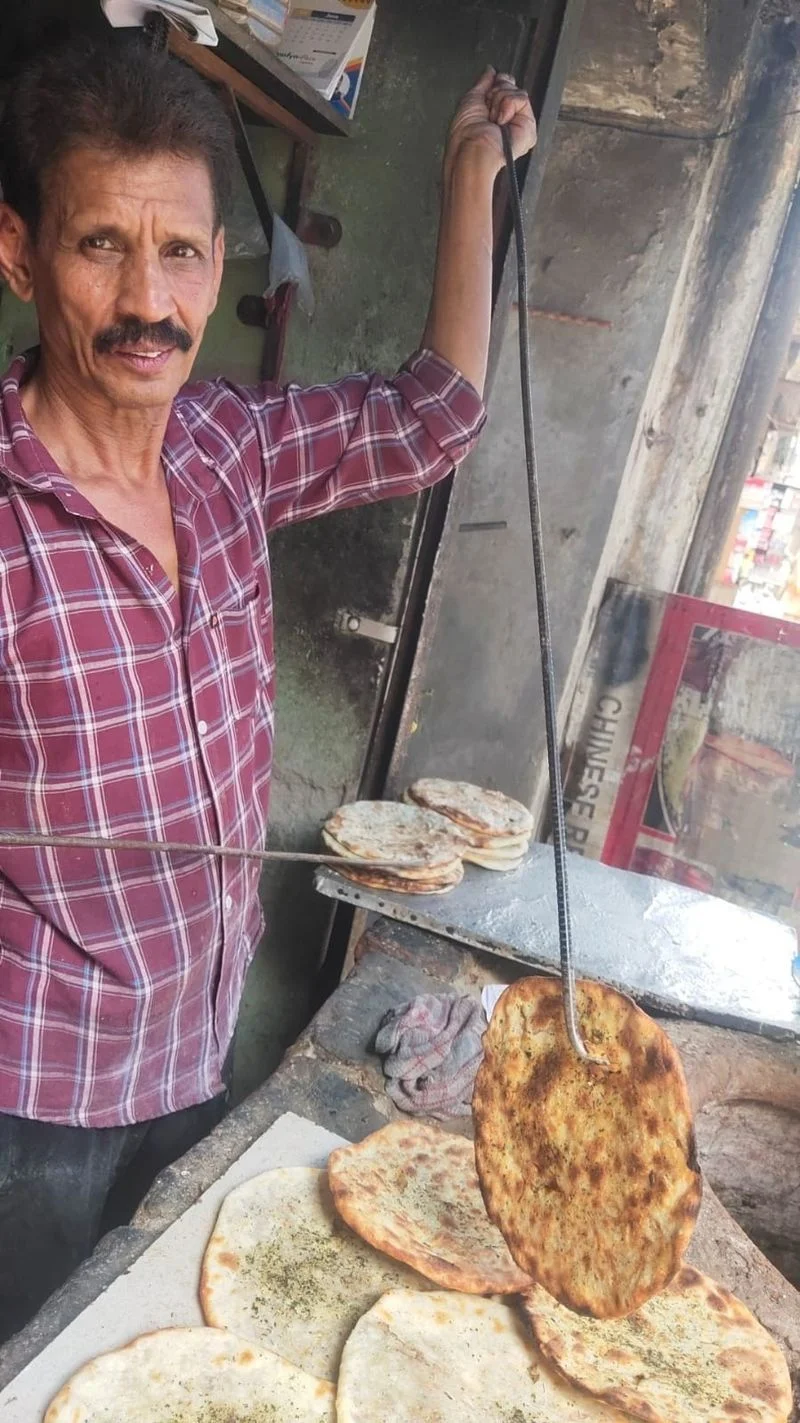
The iconic Amritsari kulcha remains a defining culinary symbol for global tourists visiting Punjab. This traditional stuffed flatbread, traditionally consumed alongside robustly spiced chickpeas and a large serving of lassi, represents an essential gastronomic experience that completes any tourism itinerary to the historic city of Amritsar.
Key Highlights
- Punjab authorities are actively pursuing a Geographical Indication (GI) tag to protect the heritage of the stuffed flatbread.
- Historical accounts link the bread to the Mughal Empire under Shah Jahan and the Asaf Jahi dynasty of Hyderabad.
- European baking techniques introduced by French chefs influenced the multi-layered texture of the modern preparation.
For most culinary consumers, the deep historical journey of this traditional leavened bread remains unrecognized.
Historians and food experts document a compelling relationship linking the flatbread to the founding rulers of the Asaf Jahi dynasty. Mir Qamruddin, the Nizam-ul-Mulk of Hyderabad, allegedly adopted the food item as an official emblem on his princely state flag after receiving it from Sufi saint Hazrat Nizamuddin Aurangabadi.
This historical narrative, whether viewed as literal fact or folklore, emphasizes the expansive geographical admiration the regional dish secured far beyond its native borders.
Culinary origins link the dish directly to the imperial kitchens of the Mughal era. Documentation indicates a royal chef created a specialized version stuffed with seasonal vegetables for Emperor Shah Jahan, who subsequently integrated the flatbread into his daily morning routine.
As regional administrators advance efforts to secure a official Geographical Indication tag, researchers highlight external influences on the baking process. French culinary experts serving British officials introduced advanced lamination methods, which local bakers modified into the signature flaky layers seen today.
During the pre-Partition era, the local delicacy served as a baseline dietary staple for the general population of the city.
Local residents recall that domestic chapati preparation was rare, as families relied entirely on neighborhood communal tandoors for their daily bread requirements.
Modern commercial operations now occupy nearly every street corner within the municipality. Establishments operating under designated brands alongside unnamed street vendors continue to anchor the morning food economy of the metropolitan area.
History of the Stuffed Flatbread
The evolution of the regional flatbread reflects a convergence of royal patronage and cross-cultural culinary techniques. Originating as a vegetable-stuffed morning staple in the 17th-century Mughal court of Shah Jahan, the bread transitioned into a symbol of sovereignty in southern India when the Nizam of Hyderabad incorporated its likeness into his state flag. The final structural transformation occurred during the colonial era, when local Punjabi bakers integrated classical French pastry-making methods to develop the distinct, multi-layered flakiness that defines the contemporary iteration.
FAQs
What is the historical connection between the kulcha and the Nizam of Hyderabad?
Historical accounts state that the dynasty founder, Mir Qamruddin, was offered the leavened bread by Sufi saint Hazrat Nizamuddin Aurangabadi. Impressed by the gesture, the ruler subsequently adopted the shape of the bread as an official emblem on the flag of the princely state.
How did French chefs influence the modern Amritsari kulcha?
French cooks working for British administrative officers in India introduced advanced pastry techniques to regional kitchens. Local Punjabi bakers observed these methods and adapted them to create the distinct, multi-layered flaky texture seen in the contemporary version.
Why is the Punjab government seeking a GI tag for the dish?
The state administration is pursuing a Geographical Indication designation to legally protect, certify, and acknowledge the distinct geographical origin, historical legacy, and unique preparation methods native to the local bakers of the city.