Geopolitical Risks In West Asia Challenge Indian Energy Markets
The persistent conflict in West Asia threatens global energy security and shipping lanes, creating intense inflationary pressures for the Indian economy. While humanitarian agencies report a devastating toll on civilians in Gaza, emerging markets remain highly sensitive to disruptions that drive up crude oil prices and broaden fiscal deficits.
Key Takeaways
- Persistent energy risks: India faces substantial exposure to crude oil volatility and supply chain shocks via critical maritime channels like the Strait of Hormuz.
- Inflationary headwinds: The Reserve Bank of India keeps a close watch on rising commodity and logistics costs that threaten to compress corporate margins.
- Ongoing humanitarian toll: United Nations observers report continuous casualties and a collapsing healthcare infrastructure despite diplomatic truce efforts.
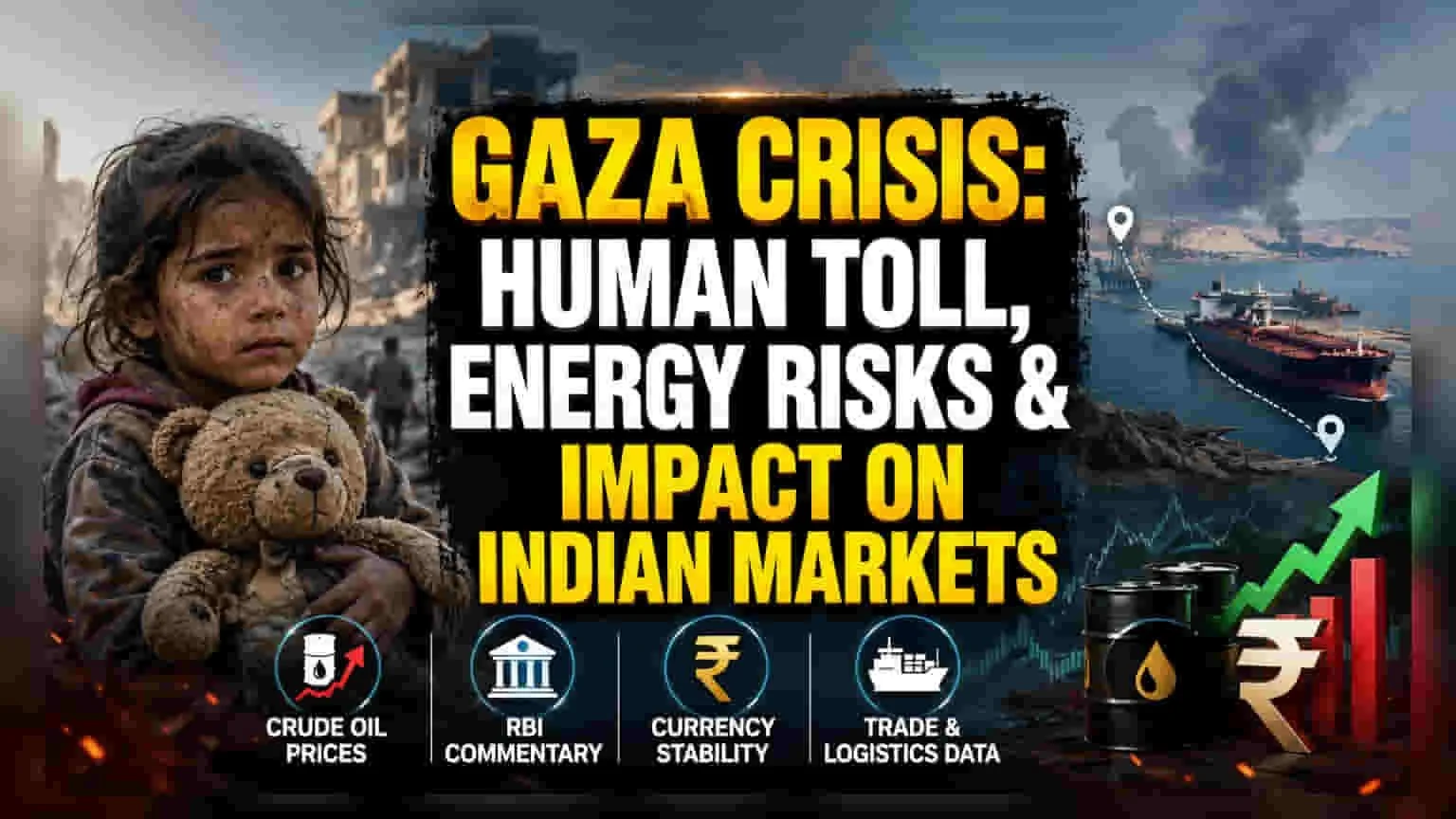
UNICEF reports ongoing child fatalities in Gaza, highlighting the humanitarian crisis. For Indian investors, the persistent conflict in the Middle East remains a key monitorable due to its direct impact on global energy supplies, oil price volatility, and inflationary risks for the domestic economy.
The United Nations Children’s Fund state that Palestinian youth encounter deadly perils in the enclave, reporting that at least 1 minor dies daily on average. This dynamic has persisted for more than 8 months.
UNICEF representatives term the reality a catastrophic humanitarian emergency, clarifying that the announced truce failed to prevent casualties. Beyond the dead, the briefing underscored the destruction of medical centers and the critical requirement for medical airlifts.
Records show hundreds of young people have suffered severe wounds since October 2025. UN officials label the truce an illusion as military operations continue.
Independent data from Palestinian medical authorities show the broader war has claimed 73,018 lives and left 173,273 wounded since October 7, 2023. Since the October 11 truce took effect, 1,007 people have died and 3,165 sustained injuries.
Emergency workers have retrieved 784 bodies from previously inaccessible zones. Meanwhile, regional escalations in Lebanon have resulted in 247 youth fatalities and 992 injuries since March 2, 2026.
Why Middle East Stability Matters for India
While this report focuses on the humanitarian toll, the prolonged conflict in the Middle East has significant implications for global trade and India’s economic outlook. India is a large importer of crude oil and natural gas, and historically, a substantial portion of these energy supplies is transported through key maritime routes in the region, such as the Strait of Hormuz. When conflict intensifies in this area, global energy markets often face volatility.
For Indian investors, the region is not just a geopolitical concern but a primary driver of energy security. Persistent instability can disrupt global shipping lanes, drive up crude oil prices, and increase the cost of energy imports.
As seen throughout 2026, spikes in oil prices can directly affect the country’s import bill, widen the current account deficit, and create inflationary pressure that influences domestic economic policy.
Monitoring Energy and Inflation
Recent economic reports, including the June 2026 minutes from the Reserve Bank of India’s Monetary Policy Committee, have highlighted the potential impact of the West Asia conflict on inflation. Policymakers have noted that rising energy and commodity prices remain a concern, potentially influencing consumer prices. Investors often monitor these factors because higher fuel costs can compress corporate profit margins and increase operating expenses for logistics, manufacturing, and transport sectors.
The state maintains its focus on fuel security, including broadening import locations and overseeing buffer stocks to soften supply shocks. Despite these countermeasures, trading sentiment remains vulnerable to geopolitical developments. Global fuel price swings remain a standard risk element for developing financial systems like India.
What Investors Should Track Next
Investors may keep an eye on several key areas that link geopolitical developments to market performance:
Crude Oil Prices: Movements in Brent crude are a primary indicator of how energy markets are pricing in geopolitical risk.
RBI Commentary: Future policy statements often reflect how the central bank assesses inflation risks arising from external shocks like energy price hikes.
Currency Stability: The rupee’s performance against the US dollar is often influenced by global risk appetite and rising import costs.
Trade and Logistics Data: Updates on shipping costs and supply chain disruptions can signal potential input cost pressures for Indian companies across the manufacturing and industrial sectors.
Future Outlook
The convergence of geopolitical strife and economic vulnerability leaves Indian markets tightly linked to West Asian developments. As structural damage to shipping routes alters maritime trade schedules, the financial cost of extended transit times will likely keep import bills elevated through the latter half of 2026.
Monetary authorities face a delicate balancing act. Sustained commodity price shocks could force tighter monetary policy, slowing down industrial expansion. Corporate survival depends on supply chain agility, prompting firms to redesign procurement networks away from volatile geographical corridors.
FAQs
How does the West Asia conflict directly affect Indian equity markets?
The conflict influences domestic markets by driving up international crude oil prices. Because India imports the vast majority of its petroleum products, higher oil prices raise corporate operating costs, squeeze profit margins across transport and manufacturing sectors, and dampen investor sentiment.
What key trade routes are most vulnerable during this geopolitical crisis?
The Strait of Hormuz is the primary maritime choke point vulnerable to disruption. A substantial volume of India’s crude oil and natural gas imports passes through this corridor, making any threat to its security a direct risk to energy pricing and availability.
Why is the Reserve Bank of India monitoring external geopolitical shocks?
The central bank monitors these events because rising energy costs feed directly into domestic consumer inflation. Higher fuel prices increase transportation and logistics expenses, which can elevate the baseline cost of goods and influence the monetary policy committee’s interest rate decisions.
What measures is the Indian government taking to mitigate energy shocks?
The government focuses on diversifying its international import sources to reduce dependency on a single region. Additionally, state authorities manage strategic petroleum reserves to ensure supply continuity during sudden global supply chain disruptions.