India Wins Historic FATF Vice Presidency as Vivek Aggarwal Is Elected
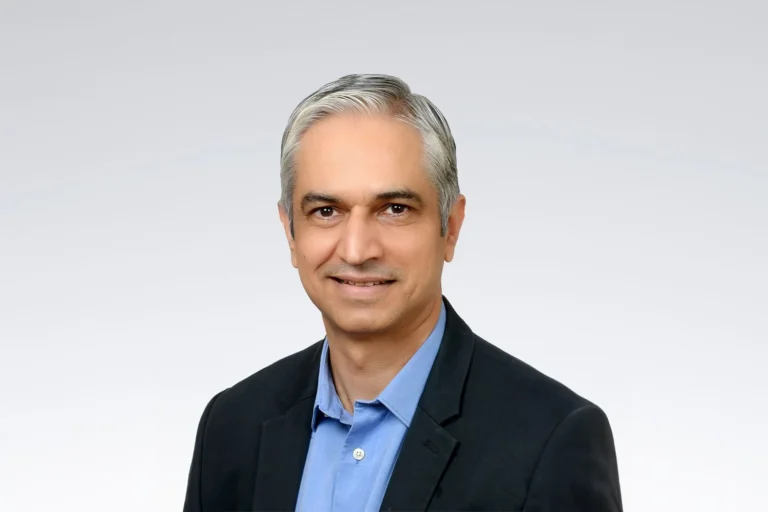
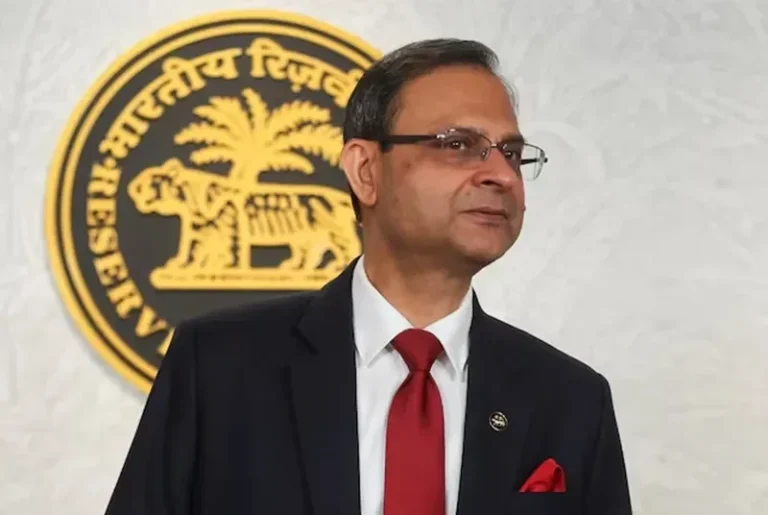
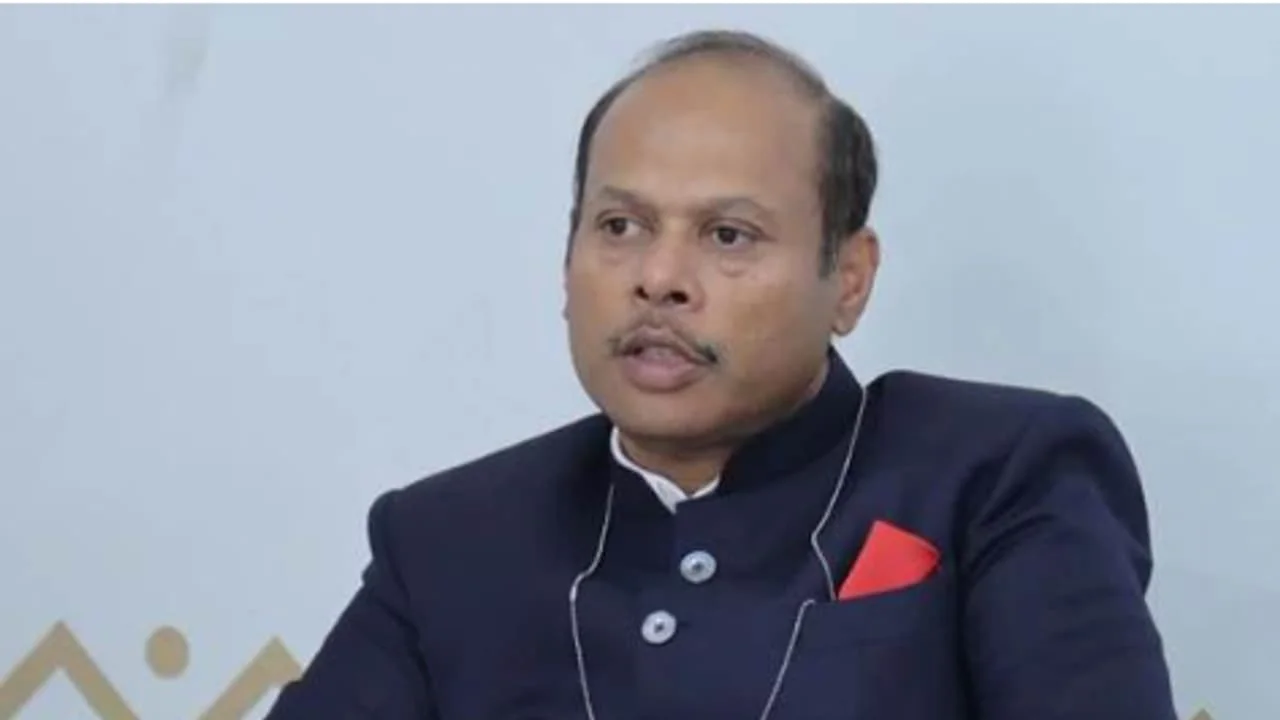
India has clinched a historic leadership position at the Financial Action Task Force, marking a monumental shift in global financial governance. Senior bureaucrat Vivek Aggarwal has been elected Vice-President for the 2026-2027 term, solidifying the nation’s growing prominence in combating international financial crimes and illicit networks.
Key Highlights
- India secures an executive leadership designation at the watchdog for the first time since joining in 2010.
- Bureaucrat Vivek Aggarwal will succeed the United Kingdom’s Giles Thomson starting July 2026.
- The appointment occurred during the recent plenary session held in Paris from June 17 to June 19, 2026.
- The strategic role bolsters India’s international push against money laundering and cross-border terrorism funding.
India Secures a Historic FATF Leadership Role
In a monumental diplomatic and economic achievement, India has captured the Vice-Presidency of the Financial Action Task Force for the inaugural time since securing full membership in the global enforcement oversight body in 2010. High-ranking civil servant Vivek Aggarwal secured election to the post for a tenure running from July 2026 through June 2027. This milestone represents a profound validation of India’s mounting leverage in the international coalition against money laundering, terrorism financing, and systemic financial manipulation.
The strategic appointment received formal ratification during the high-level plenary summit in Paris, France. This administrative decision elevates an Indian representative into the highest echelons of administrative governance within the global institution tasked with engineering international anti-money laundering and counter-terrorist financing policy frameworks.
The Ministry of External Affairs characterized the electoral outcome as a major win for India, emphasizing the country’s accelerating influence in designing global asset tracking protocols and compliance mandates.
Who Is Vivek Aggarwal?
Vivek Aggarwal is a highly seasoned administrator belonging to the 1994 batch of the Indian Administrative Service, representing the Madhya Pradesh cadre. He currently serves the government as the Secretary for the Ministry of Culture. Over a multi-decade career, Aggarwal has cultivated deep institutional knowledge regarding financial intelligence collection, domestic anti-money laundering frameworks, and multilateral regulatory compliance.
Aggarwal previously directed India’s official delegation during international summits and operated as the Director of the Financial Intelligence Unit-India. The specialized bureau serves as the nerve center for analyzing suspicious asset movements and countering illicit cross-border monetary transactions. His extensive history managing these critical portfolios operated as a primary catalyst for his elevation to this international executive position.
From an academic perspective, he attained qualifications in commerce and jurisprudence from Panjab University. Furthermore, he completed intermediate qualifications within the Company Secretary curriculum and finished advanced coursework centering on economic globalization and international financial networks at the London School of Economics and Political Science.
Why the FATF Role Matters
The Paris-headquartered institution operates as the preeminent intergovernmental authority designing enforceable mandates to neutralize money laundering, extremist funding, and the financing of weapons of mass destruction. The regulatory benchmarks issued by this body guide statutory oversight mechanisms across more than 200 jurisdictions globally.
Occupying the Vice-Presidency allows Aggarwal to collaborate directly with the incoming executive leadership to manage administrative operations, strengthen international legal cooperation, and implement defensive practices protecting the stability of global banking channels.
According to statements released by the intergovernmental watchdog and New Delhi, the appointment mirrors the profound international trust India has established through structural contributions to anti-financial crime operations. It additionally recognizes domestic innovations in monitoring emerging transaction risks tied to decentralized digital payment architecture and virtual assets.
What Vivek Aggarwal Said
Reflecting upon the electoral outcome, Aggarwal remarked: “This appointment is a recognition of India’s collective effort and of the strength of our anti-money-laundering and counter-terrorist-financing framework.”
The newly elected official stated his intention to collaborate closely with the extensive global network to preserve an international financial architecture that remains safe, inclusive and resilient.
The administrative victory is recognized as a vital geopolitical milestone, confirming India’s status as an indispensable authority in neutralizing clandestine monetary corridors and international terror supply lines.
Historical Context
India’s ascent to the leadership circle of the global financial watchdog marks the culmination of a sixteen-year institutional journey. New Delhi was admitted as a full member state of the body in 2010, embarking on a systematic overhaul of its domestic legislative and financial monitoring machinery.
A critical turning point occurred in 2024 during the organization’s comprehensive mutual evaluation process. At that time, Aggarwal was functioning as an Additional Secretary within the Union Finance Ministry while simultaneously directing the Financial Intelligence Unit-India. The positive evaluation during that cycle validated the integrity of India’s domestic banking safeguards, setting the foundation for the historic diplomatic campaign that concluded successfully at the Paris plenary in June 2026.
FAQs
Who is the newly elected Vice-President of the Financial Action Task Force?
Vivek Aggarwal, a senior Indian Administrative Service officer from the 1994 batch and current Union Culture Secretary, has been elected to the post.
When will India assume this new international leadership role?
The official term for the newly elected Vice-President begins in July 2026 and concludes in June 2027.
Which country previously held the vice-presidential position at the organization?
The United Kingdom held the position prior to India’s election, with British representative Giles Thomson occupying the post during the preceding term.
Why is this appointment considered significant for India’s foreign policy?
The position allows India to directly influence global financial policies, monitor cross-border terror networks, and design compliance frameworks for emerging technologies like digital assets.