India’s Got Latent 2 Returns with Heavy Corporate Backing
Samay Raina’s hit digital property India’s Got Latent has launched its second season across both Netflix and YouTube. The premiere marks a massive commercial evolution for the edgy comedy format, successfully attracting high-profile corporate sponsors and major Bollywood film marketing despite severe brand safety controversies during its inaugural run.
Key Highlights
- Dual-Platform Distribution: Season 2 debuted simultaneously on Netflix and YouTube, securing 32 million views on the latter within 24 hours.
- Embedded Monetization: Corporate sponsors like AI+ Nova, Flipkart Minutes, and Avvatar are directly woven into the unscripted comedic dialogue.
- Resilient Creator Economy: The return of premium advertisers signals a shifting paradigm where brands accept higher content risks to capture young demographics.
- Mainstream Integration: Bollywood A-listers Alia Bhatt and Sharvari Wagh joined the panel, using the unfiltered platform for theatrical film promotion.
New Delhi: India’s Got Latent 2 has returned with a bigger platform deal and a sharper advertising signal.
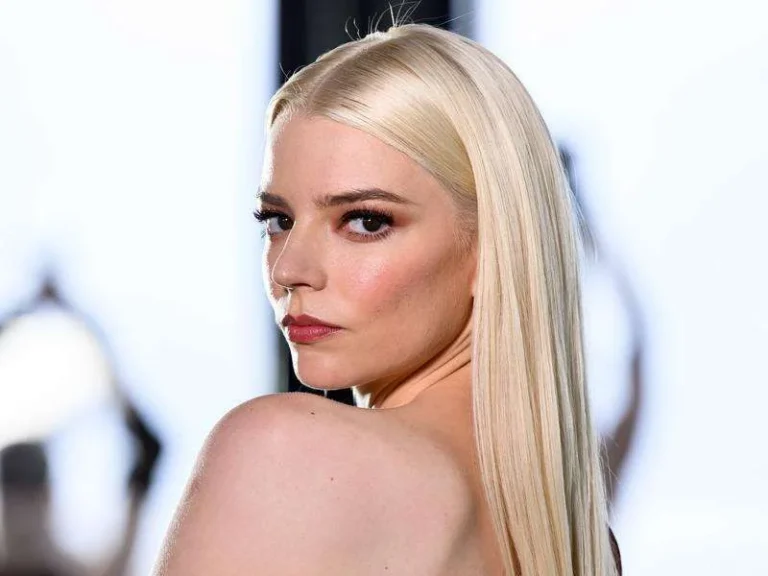
The Samay Raina-led show premiered its first episode on Netflix and YouTube on Saturday, with Alia Bhatt, Sharvari Wagh, Aashish Solanki and Balraj Ghai on the panel.
The episode opened the new season with visible brand integrations from AI+ Nova Smartphone, Flipkart Minutes and Avvatar. AI+ Nova came in as the powered-by sponsor, Flipkart Minutes was present as the quick delivery partner, and Avvatar was integrated as the protein partner.
The episode also carried a film marketing layer. Bhatt and Wagh appeared on the panel to promote Alpha, with Bhatt wearing an Alpha cap through most of the episode.
For the advertising industry, the interesting part is not just that brands have returned to Raina. They had already returned to him after the earlier backlash through separate brand collaborations.
The stronger signal is that brands have returned to India’s Got Latent itself, the very property that had raised uncomfortable questions around brand safety.
The concern stemmed from the fallout of the first season, after Ranveer Allahbadia’s remark on the show triggered public and legal backlash. Episodes were pulled down from YouTube, police complaints followed, and the debate moved beyond comedy into questions of obscenity, platform responsibility and advertiser exposure.
For brands, the issue was not only one remark. It was the unpredictability of creator-led formats, in which a sponsor could quickly become linked to content it did not script or control. India’s Got Latent became a case study in the limits of brand safety on edgy digital IP.
That is why Season 2 is commercially important.
The show has not come back with sponsors kept safely outside the content. The brands are inside the format. They are mentioned, joked about and used as part of the episode’s rhythm.
Raina, who was seen using another phone, repeatedly promoted the AI+ Nova Smartphone throughout the episode. The contrast itself became part of the humour.
In one exchange, Raina asked someone backstage to bring his phone so that he could call Bhuvan Bam. Comedian Aashish Solanki immediately took a dig at him, saying, “Tera toh ye phone hai na AI wala.” Raina turned it into a brand plug, replying, “Mere paas ek phone hai jisse main upgrade karne wala hun to AI+. Right now, it only has an I.”
Avvatar’s placement also moved with the show’s loose rhythm. Raina spoke about the Parag Milk Foods protein beverage brand throughout the episode, but the integration did not remain limited to a sponsor line.
At one point, Bhatt, in the flow of the conversation, threw the Avvatar drink kept in front of her. Raina immediately joked, “Arre brand kyu fek rahe ho yaar?” The drink was quietly placed back on the table, keeping the brand visible without stopping the moment.
During the broadcast, an audience member shouted a derogatory financial stereotype regarding women, prompting Bhatt to sharply demand, “Kaun bola ye?” Raina immediately neutralized the tension with a witty comeback, stating a poor man must have said it, which drew praise across social media platforms like X.
The Alpha promotion followed the same tone. Raina teased Bhatt for promoting the film by wearing its cap throughout the episode. She later kept the cap on the table, but by then the film branding had already become part of the show’s running gag.
The AI+ Nova integration also fits the brand’s larger campaign timing. The sponsorship comes close to the Nova 2 and Nova 2 Neo launch push on Flipkart Minutes.
The brand has also released an ad featuring Raina and Mukesh Khanna as Shaktimaan, building on its Indian positioning and product pitch.
That makes the Latent association more than a one-off visibility buy. AI+ Nova is using Raina across the campaign funnel: a separate ad for the brand narrative and India’s Got Latent for repeated youth recall inside entertainment.
For a new smartphone brand, this is a practical media choice. The category is crowded, price-led and hard to differentiate. A conventional launch campaign can get lost among product reviews, discount banners and specification-led advertising. A creator-led show gives the brand a different kind of recall.
Avvatar’s integration was also worked into the show rather than kept as a clean sponsor line. The protein brand became part of running jokes around strength, performance and exaggerated benefits. The treatment was deliberately unserious, but that is where the recall came from.
Flipkart Minutes brought in the quick-commerce context. For the category, the placement offered visibility beyond speed claims and app reminders. Quick-commerce brands are not only competing on delivery time; they are also trying to remain part of daily youth conversation.
These integrations were not subtle in the traditional sense. They were visible and repeated. But they did not interrupt the show. They behaved like Latent material.
That is the commercial bargain in such formats. The brand gets attention because it allows itself to be folded into the joke. It gives up some control in return for recall.
This is also where India’s Got Latent differs from routine branded entertainment. In older formats, the sponsor is usually protected. The host reads the line, the camera holds the product, and the brand stays outside the risk of the room.
In Latent, the brand has to survive the room.
That explains both the opportunity and the risk. The same informality that makes the integration work can also create backlash. The same joke that gives a brand recall can place it in an uncomfortable context. The same creator credibility that drives attention can reduce advertiser control.
The Netflix-YouTube release adds another layer to the commercial story.
A Netflix-only release would have given the show premium positioning but reduced its public circulation. A YouTube-only release would have preserved reach but not added the same platform cover. By sitting on both, India’s Got Latent gets Netflix’s legitimacy and YouTube’s social afterlife.
For the record, the show garnered over 32 million views in one day on YouTube.
For Netflix, the larger gain may be strategic rather than direct sponsorship-led. It gets a creator property with built-in internet culture and a young audience base. For YouTube, the gain is also clear. It keeps one of India’s most talked-about creator formats available on the platform even after the show gets an OTT home.
For advertisers, the gain is more immediate. They get to sit in conversation, not around it.
Season 2 also shows that brand safety is becoming more negotiated. After the first-season controversy, one could have expected sponsors to insist on a sanitised version of the show. The first episode suggests a more practical approach. The humour is more controlled, but the brand integrations are not hidden.
The brands are visible, joked about and repeatedly pulled into the show’s rhythm.
If India’s Got Latent becomes too polished, it loses what made it commercially attractive. If it remains too unfiltered, it risks reviving the concerns that hurt it earlier.
The first episode tries to sit between the two: safer than before, but not so safe that it looks like a PR event.
Raina’s value to brands has never come from being a conventional safe-choice endorser. It comes from his ability to turn discomfort into watchable content and keep a young internet audience engaged.
India’s Got Latent 2 shows that advertisers are still willing to buy into that quality, but with a clearer understanding of the risk. In formats like this, the brand does not get the comfort of a controlled advertising environment. It gets recall only if it is willing to be part of the joke.
Historical Context
The unprecedented monetization model of India’s Got Latent Season 2 follows a period of extreme regulatory and public scrutiny for digital comedy in India. The brand safety anxieties of Season 1 were heavily magnified by concurrent regional crackdowns on digital creators. For instance, the Maharashtra Cyber Police recently initiated formal legal proceedings against comedians Pranit More and Jangra following an unscripted stand-up crowd interaction that went viral, highlighting the real legal liabilities facing modern digital properties and their corporate partners.
FAQs
Where can viewers watch India’s Got Latent Season 2?
The second season of the show is available to stream through a unique dual-platform distribution model, appearing on both the subscription OTT platform Netflix and globally for free on YouTube.
Which brands are official sponsors for India’s Got Latent Season 2?
The premiere episode featured heavy product placement and integrated scripts from AI+ Nova Smartphone as the primary powered-by sponsor, Flipkart Minutes as the quick-commerce delivery partner, and Avvatar as the official protein partner.
How did Alia Bhatt respond to the audience comment during the premiere?
When an audience member shouted a cliché financial stereotype about women, Alia Bhatt immediately challenged the individual by asking who said it. Host Samay Raina supported her by turning the moment into a sharp comeback against the speaker.
How many views did the Season 2 premiere get on its first day on YouTube?
The opening episode of the second season accumulated over 32 million views within its initial 24 hours of availability on YouTube, alongside its release on Netflix.