India Exam Crisis Sparks Demands for Educational Reform
National discourse has shifted toward severe systemic corruption within India’s examination framework following widespread leaks. The structural crisis within public education threatens student well-being and future global competitiveness. Analysts demand immediate accountability and comprehensive institutional restructuring to correct deep-rooted academic deficiencies.
Key Highlights
- Structural corruption and paper leaks in national examinations have severely impacted student mental health and institutional trust.
- International assessments rank India’s public school learning outcomes near the bottom globally due to chronic official neglect.
- Educational experts advocate for reducing rote learning, upgrading teacher training, and improving basic infrastructure.
- Despite political shifts, the foundational issues of the state school system remain largely unaddressed by successive governments.
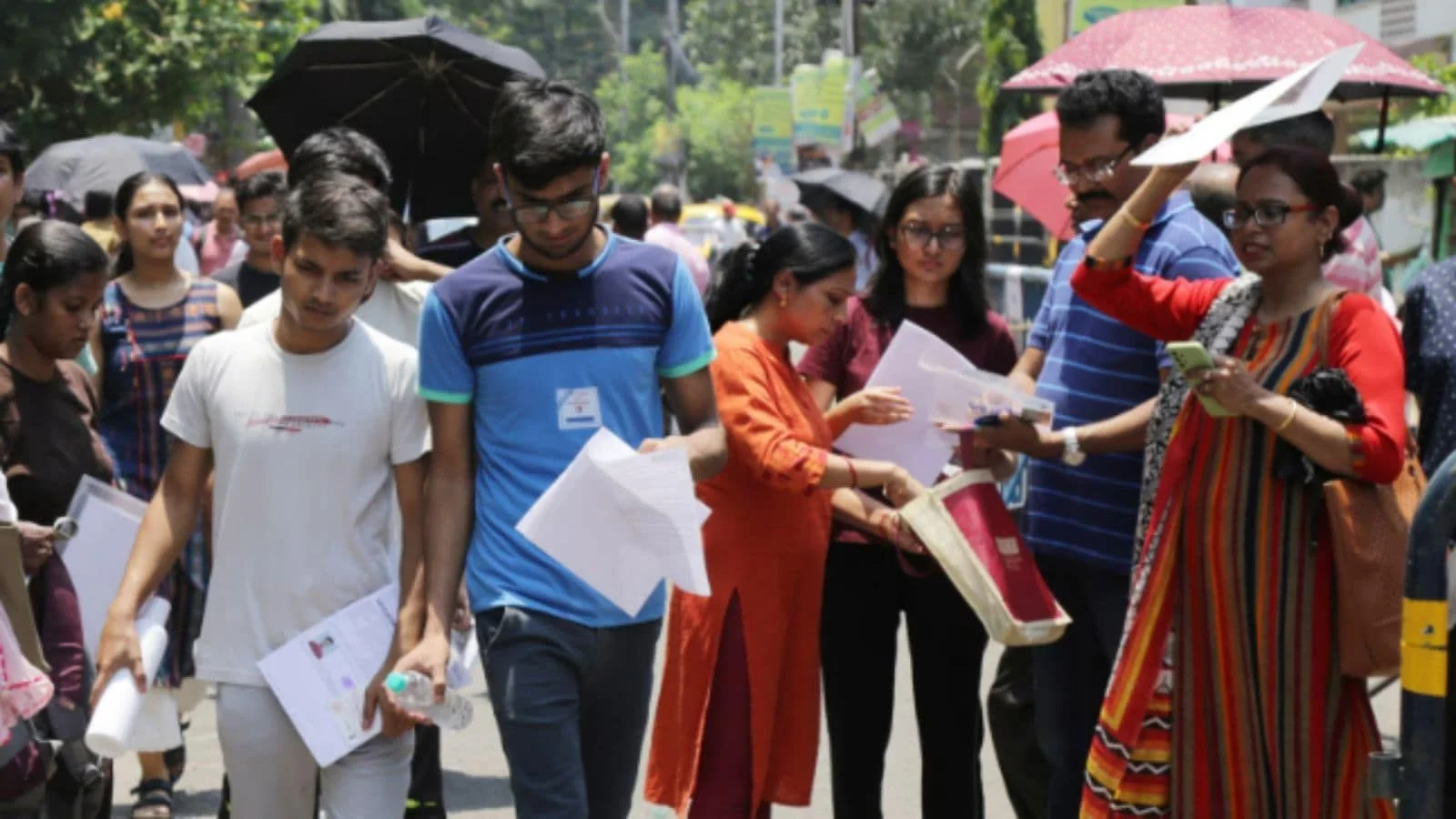
Recent public scrutiny focuses heavily on the National Eligibility cum Entrance Test and leaked examination question papers. Revelations of systemic venality within the Central Board of Secondary Education system have emerged. Disadvantaged young students have faced extreme distress, resulting in tragic suicides linked directly to these fraudulent institutional practices.
The immediate human cost represents a profound disgrace for the administrative authorities overseeing the system. This collective failure underscores the long-term disadvantage facing domestic students entering a global economy increasingly driven by advanced technologies. Contemporary graduates frequently face unemployment, having finished schooling without basic problem-solving abilities or articulate communication skills.
Public attention has unexpectedly turned toward institutional instruction, driven by systemic failures rather than forward-thinking policies. The current crisis demands sustained debate regarding comprehensive educational overhauls even after initial public anger subsides. The emergence of new political factions centering their platforms on examination integrity may prolong this vital national conversation.
A prominent political figure demanding high-level accountability has traveled to Delhi to lead demonstrations. This leader has specifically demanded the immediate resignation of Union Education Minister Dharmendra Pradhan. While ministerial accountability is necessary, individual resignations alone will not resolve the deeply embedded structural rot.
Administrative decay extends from leadership down to the foundational elements of state schooling. Public officials consistently avoid sending their own children to state-run institutions, recognizing that these schools offer minimal literacy rather than genuine intellectual development. This systemic failure was demonstrated globally during international metrics testing.
During the 2009 Programme for International Student Assessment, participating students from Tamil Nadu and Himachal Pradesh ranked second to last globally. The international examination evaluated 15-year-olds in foundational reading, mathematics, and science competencies. Despite these alarming results, bureaucratic mechanisms effectively obscured the poor performance from senior political leadership.
Domestic verification of these systemic shortcomings predates international assessments. Successive administrations have consistently neglected fundamental public learning systems. The historical creation of elite technology institutes overlooked the reality that enrollment remained restricted primarily to privileged socioeconomic demographics.
Early administrative frameworks established a higher academic system characterized by rigid state control. This heavy bureaucratic oversight stifled independent institutional research and academic excellence. Effective modernization requires dismantling outdated regulatory bodies like the University Grants Commission to eliminate counterproductive administrative interference.
Consultations with academic experts highlight critical pathways for meaningful institutional adjustment. Former National Council of Educational Research and Training officials emphasize that students must transition from passive recipients to active participants. Eliminating entrenched rote learning methods remains a primary necessity for modernizing classrooms.
Secondary structural recommendations focus on establishing dedicated teacher training institutions and increasing capital investment for basic school infrastructure. Numerous rural public facilities currently lack libraries, recreational spaces, clean drinking water, and operational sanitation facilities. Many village schools consist of rudimentary, empty structures.
Paradoxically, historical reform efforts have focused almost exclusively on inflating administrative salaries. Public school teacher compensation scales frequently reach 10 times the amounts paid within the expanding network of low-cost private institutions. This salary divergence has failed to translate into improved public learning outcomes.
Political discussions regarding educational restructuring have historically yielded minimal results despite high-level assurances. Commitments to correct decades of administrative neglect have not manifested as systemic improvements. This lack of progress remains visible across major states managed by various political leadership groups.
The critical question remains whether heightened public political friction will force meaningful administrative urgency. Substantive structural intervention is urgently required across the domestic schooling network to safeguard the future of the student population.
Historical Context
The structural issues confronting India’s contemporary academic landscape stem from decades of policy imbalances. While post-independence planning successfully established elite centers of higher learning like the Indian Institutes of Technology, primary and secondary public schooling received insufficient capital and administrative focus.
This dual-track development created a stark divide, leaving public schools underfunded while regulatory bodies maintained centralized control. The historical focus on bureaucratic compliance over learning quality institutionalized rote memorization, laying the groundwork for the structural vulnerabilities and administrative crises observed in 2026.
FAQs
What triggered the current crisis in the Indian education system?
The current crisis was triggered by widespread paper leaks and corruption scandals associated with major national examinations, including the NEET and CBSE systems. These failures have exposed deep systemic vulnerabilities and sparked nationwide demands for accountability.
How did Indian students perform on international benchmarks like PISA?
During India’s participation in the 2009 PISA global assessment, sampled students ranked second to last internationally. The exam measured fundamental skills in reading, mathematics, and science among 15-year-old pupils.
What core structural reforms do educational experts recommend?
Experts recommend transitioning away from rote learning toward active student participation, establishing high-quality teacher training institutes, and investing heavily in basic school infrastructure like libraries and sanitation.
Why is the University Grants Commission criticized in structural debates?
Critics argue that the University Grants Commission acts as an unnecessary bureaucratic intermediary. They contend that its centralized control grants excessive power to state officials while restricting institutional autonomy and research excellence.