Venezuela Earthquakes Threaten India Oil Trade
A catastrophic pair of earthquakes in Venezuela has sparked deep concerns over potential logistical disruptions to India’s energy corridor, threatening to choke a newly resurgent source of crude oil imports that Indian refiners heavily relied upon to offset escalating geopolitical volatility across the Middle East.
Key Highlights
- Twin seismic shocks: Measuring 7.2 and 7.5 magnitude, the consecutive earthquakes marked Venezuela’s most violent seismic event in more than a century, leaving 235 dead and over 4,300 injured.
- Port disaster declared: The critical cargo gateway of La Guaira has entered an official disaster declaration, triggering widespread anxieties regarding severe shipping backlogs and protracted vessel delays.
- Energy investment exposure: Indian state-backed firms hold massive equity stakes in Venezuelan oil fields, including a 40% interest in San Cristobal and combined 18% positions in Carabobo-1.
- Retail price insulation: Domestic retail prices for petrol and diesel in India are projected to remain steady in the near term, as intermediate traders, insurers, and refiners absorb the immediate logistical surcharges.
Trade impact
Shipping delays, port disruptions feared
New Delhi’s strategic procurement of South American crude expanded aggressively throughout recent months as domestic refining operations sought viable supply alternatives to insulate against worsening Middle East vulnerabilities. However, the unexpected seismic disaster has generated immediate industry anxieties over extensive shipping backlogs, maritime terminal bottlenecks, and escalating freight insurance premiums.
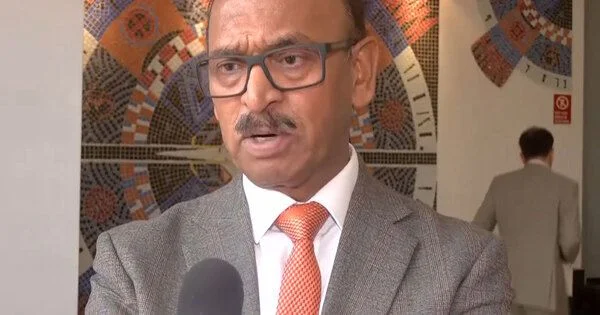
According to Kunal Khanna, Managing Director of Reinsurance and Global Head of Natural Resources at EDME Insurance Brokers Ltd., any systemic impairment to Caracas’s hydrocarbon maritime infrastructure possesses direct economic implications that will ripple far past its territorial boundaries.
Supply chain impact
Export terminals may not be structurally harmed
Khanna clarified that even if primary oil loading facilities escape permanent structural destruction, collateral operational blockages are heavily anticipated to constrain global energy logistics. Widespread power grid blackouts, broken inland transportation networks, and strict emergency port regulations are poised to bottleneck cargo velocity for several days or successive weeks.
The strategic maritime hub of La Guaira has been placed under a formal disaster declaration, intensifying global anxieties regarding rigid shipping timetables and immediate berth availability.
Insurance and investment
Marine insurance policies may get affected
The natural disaster is simultaneously expected to drive up comprehensive coverage expenses for maritime assets traversing the region. Khanna pointed out that historical underwriting for the corridor primarily focused on geopolitical developments and international sanctions, but this unprecedented seismic event introduces a completely separate dimension of commercial volatility.
The trade route was previously analyzed almost exclusively through the matrix of navigational bottlenecks and sovereign political dynamics, meaning that natural catastrophe risk assessment must now be permanently integrated into underwriting equations.
Investment
India has direct investment exposure in Venezuela
The financial fallout of the disaster expands beyond standard cargo fleets currently navigating open water. India maintains substantial direct upstream investment exposure within the South American state via ONGC Videsh, the state-guided overseas investment corporation that owns large equity positions in active local production projects.
Specifically, ONGC Videsh commands a 40% equity stake in the San Cristobal oil field. In the adjacent Carabobo-1 asset, ONGC Videsh maintains an 11% holding, while Indian Oil Corporation and Oil India Limited each manage a 3.5% stake. Any prolonged operational freeze will consequently trigger both production and corporate financial deficits for Indian energy institutions.
Trade vulnerabilities
Earthquakes may prompt delays in investment talks
The seismic crisis underscores how newly forged commercial pathways invariably introduce unique systemic vulnerabilities. Prime Minister Narendra Modi recently conducted high-level bilateral discussions with acting President Delcy Rodriguez aimed at fast-tracking Indian capital deployments across foreign mining and pharmaceutical markets.
Nevertheless, the unfolding humanitarian and infrastructural emergency may force a sudden postponement or strategic reassessment of these public bilateral blueprints. Following relaxed enforcement and strict US regulatory oversight of the domestic energy economy after the capture of President Nicolas Maduro, Venezuelan heavy crude had returned to global shipping lanes, positioning India as a primary destination market.
Future Outlook
While local reports indicate that primary oil export installations avoided catastrophic structural failures, the immediate future hinges entirely on how rapidly the Venezuelan state can restore its crippled electricity network and damaged transport links. Emergency search and rescue operations remain active across Caracas and surrounding coastal districts to assist thousands of injured citizens.
For India, the disaster highlights the structural volatility of diversifying away from Middle Eastern supply chokepoints like the Strait of Hormuz. Even as the recent US-Iran diplomatic accord signed on June 17, 2026, cleared hurdles for traditional Gulf shipping, this South American disruption forces Indian refiners to balance immediate logistical penalties against long-term supply volume commitments.
FAQs
Will petrol and diesel prices increase in India due to the Venezuela earthquake?
No immediate retail price hike for petrol or diesel is expected within India. The incremental expenses stemming from vessel delays, higher charter fees, and elevated insurance premiums are projected to be temporarily absorbed by international trading houses, insurance syndicates, and downstream refiners.
What is India’s direct financial stake in Venezuela’s oil infrastructure?
India holds significant upstream assets through state-owned entities. ONGC Videsh retains a 40% participating interest in the San Cristobal oil field, alongside an 11% stake in the Carabobo-1 project, where Indian Oil Corporation and Oil India Limited also individualistically hold 3.5% shares.
Why was La Guaira placed under a disaster declaration?
La Guaira was declared a disaster zone due to the widespread destruction caused by twin 7.2 and 7.5 magnitude earthquakes. The shocks caused extensive power grid failures, severed critical transportation lines, and forced emergency port restrictions that crippled the terminal’s standard cargo operations.
Why has India recently increased its crude oil imports from Venezuela?
Indian refineries accelerated purchases of Venezuelan crude to diversify their supply portfolios and mitigate risks associated with geopolitical friction in the Middle East. This trade expansion was further facilitated by modified US sanctions oversight following shifts in Venezuela’s domestic political landscape.