US India Trade Talks Advance as Tariff Deadline Looms
Washington aims to strengthen technological alliances with New Delhi as both nations evaluate advancements toward a transitional bilateral trade agreement, answering the global demand for supply-chain resilience and collaborative digital trade frameworks before an upcoming critical tariff deadline.
Key Highlights
- Washington and New Delhi are racing to finalize a transitional trade agreement before a July 24, 2026 deadline.
- Chief negotiators are targeting bilateral cooperation in artificial intelligence and strategic emerging technologies.
- Recent legal shifts from the US Supreme Court have altered initial tariff frameworks established in February 2026.
- Bilateral trade remains resilient, with Indian exports to the US reaching $17.29 billion during the April-May period.
Moving Forward in AI and Emerging Technologies
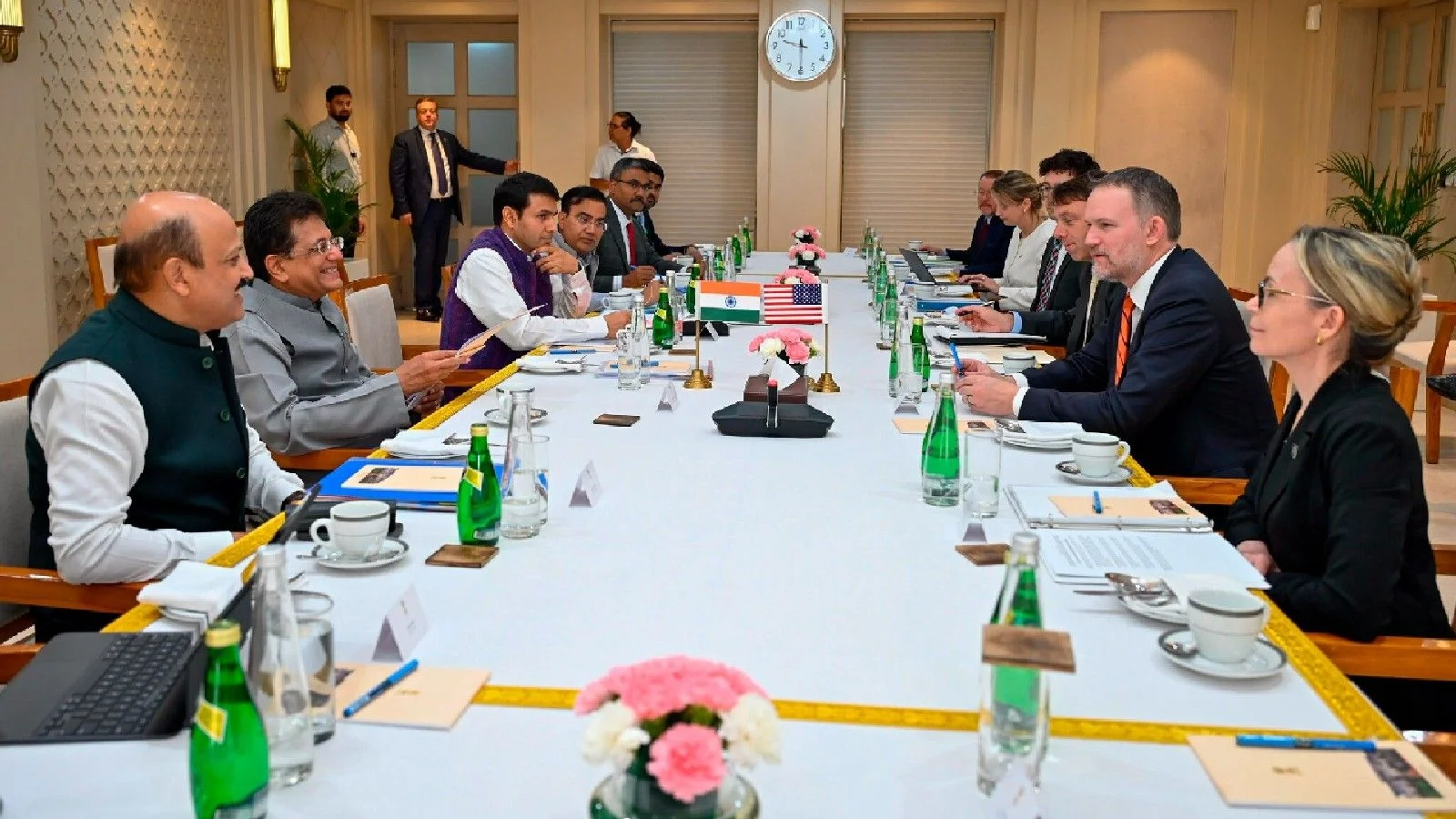
The United States is seeking an expanded partnership with India regarding artificial intelligence and strategic economic sectors. US Trade Representative Jamieson Greer confirmed this objective during a ministerial review focused on finalizing a transitional trade pact before crucial tariff structures shift next month.
Substantial dialogue over a two-day period in New Delhi highlighted the mutual desire to establish next-generation trade architectures. Emerging technologies and digital trade frameworks formed the cornerstone of these high-level discussions.
The push toward technological alignment marks a major shift in bilateral priorities. Indian capabilities are evolving rapidly beyond historical sectors, creating fresh avenues for commercial integration.
The ministerial review examined multiple facets of the proposed Phase 1 Bilateral Trade Agreement (BTA). Negotiators evaluated market access, supply-chain reliability, and the removal of non-tariff barriers.
Indian trade officials confirmed that the bilateral consultations yielded substantial progress. Both governments remain dedicated to securing an equitable and commercially viable trade framework.
The timing of these discussions remains critical as both administrations face a July 24, 2026 deadline. This date marks the expiration of a temporary 10% US tariff structure.
The trade negotiations follow recent diplomatic momentum generated during international forums. Prime Minister Narendra Modi and US President Donald Trump set the trajectory for these talks during their meeting at the G7 Summit in Evian, France, on June 17, 2026.
Top trade diplomats noted that the head-of-state meeting established an explicit mandate to elevate bilateral ties. This mandate directly encompasses the transitional trade framework currently under negotiation.
The New Delhi meetings follow initial sessions convened by chief negotiators earlier this month. These successive rounds became necessary after domestic legal adjustments required a recalibration of prior trade assumptions.
Geopolitical Dimensions and Peacekeeping Proposals
The strategic partnership extends into broader geopolitical theaters, including international security coordination. Recent accounts detailing Oval Office sessions from January 2026 indicate that senior US officials have evaluated India for international stabilization initiatives.
During discussions regarding European security, US Vice President JD Vance proposed utilizing non-NATO forces for potential peacekeeping operations in Ukraine. The administrative proposal specifically highlighted India and Saudi Arabia as viable contributors to future stabilization efforts.
Trade Alterations and Market Vulnerabilities
Simultaneously, the administration is focusing on domestic economic enforcement and global market stability. President Trump recently initiated investigations into domestic fuel pricing while monitoring energy dynamics following an Iranian maritime acquisition of 36 million barrels of oil.
The White House has also maintained pressure regarding international trade compliance. Reports indicate sharp administrative exchanges occurred regarding tariff structures applied to major Asian economies, including India and China.
Navigating Tariff Complexities and Section 301 Inquiries
The evolving trade framework must navigate structural adjustments resulting from recent legal precedents. An initial economic understanding reached in February 2026 established a 18% tariff rate on specified Indian goods in exchange for expanded American market access.
However, a recent US Supreme Court decision invalidated broad global tariff mandates, disrupting the original compromise. Independent trade analysts note the ruling effectively revoked the US proposal to reduce import duties from 25% to 18%, even as Washington seeks long-term market access.
US-INDIA TRADE METRICS & TIMELINES (2026)
| Metric / Event | Details |
| April-May Indian Exp. | $17.29 Billion |
| Previous Year Exp. | $17.21 Billion |
| Key Tariff Deadline | July 24, 2026 |
| Proposed US Tariff | 12.5% (Under Section 301 Probe) |
To maintain negotiating leverage, Washington is utilizing Section 301 investigations regarding industrial capacity and labor standards across 60 countries. Trade representatives have floated a potential 12.5% additional tariff on Indian imports under this framework, though a conclusive determination is pending.
Despite regulatory headwinds, commercial volumes remain steady. Indian export data reveals a marginal increase to $17.29 billion for the April-May window, up from $17.21 billion during the identical period last year.
Following the conclusion of the New Delhi trade round, the US delegation is scheduled to travel to Uzbekistan. The upcoming itinerary features high-level meetings with President Shavkat Mirziyoyev to review Central Asian trade relations.
Maritime Security and Global Energy Transit
The stabilization of global supply networks remains tied to maritime security frameworks in the Middle East. President Trump recently sought to reassure global energy markets regarding shipping safety through the Strait of Hormuz, an essential passage controlling nearly 20% of global maritime oil commerce.
The administration stated that Tehran offered explicit assurances that no transit fees or supplementary insurance premiums would be levied on commercial vessels. The White House noted that ongoing diplomatic talks remain contingent on these maritime conditions being upheld.
Furthermore, the administration clarified its financial stance, confirming that no frozen liquid assets have been unlocked for Tehran. Any future asset management will occur through a highly scrutinized framework overseen by US authorities.
Future Outlook
The trajectory of US-India commercial relations depends on the mid-July negotiation rounds. If chief negotiators bridge the structural gaps created by the US Supreme Court ruling, a streamlined Phase 1 agreement could serve as a template for broader Indo-Pacific trade alignment. However, failure to reach an accord before the July 24, 2026 deadline could trigger default tariff rates, testing the resilience of bilateral supply chains in the technology and manufacturing sectors.
FAQs
What is the primary deadline for the US-India interim trade deal?
The two nations are working to finalize the agreement before July 24, 2026, when the current temporary US tariff modifications are set to expire.
How did a recent US Supreme Court ruling impact the trade talks?
The judicial decision invalidated certain broad global tariffs, which eliminated the original US offer to lower specific tariffs on Indian goods from 25% to 18%, requiring a renegotiation of terms.
What technology sectors are being prioritized in the new trade framework?
The United States and India are specifically targeting collaborations in artificial intelligence, emerging strategic technologies, and next-generation digital trade architectures.