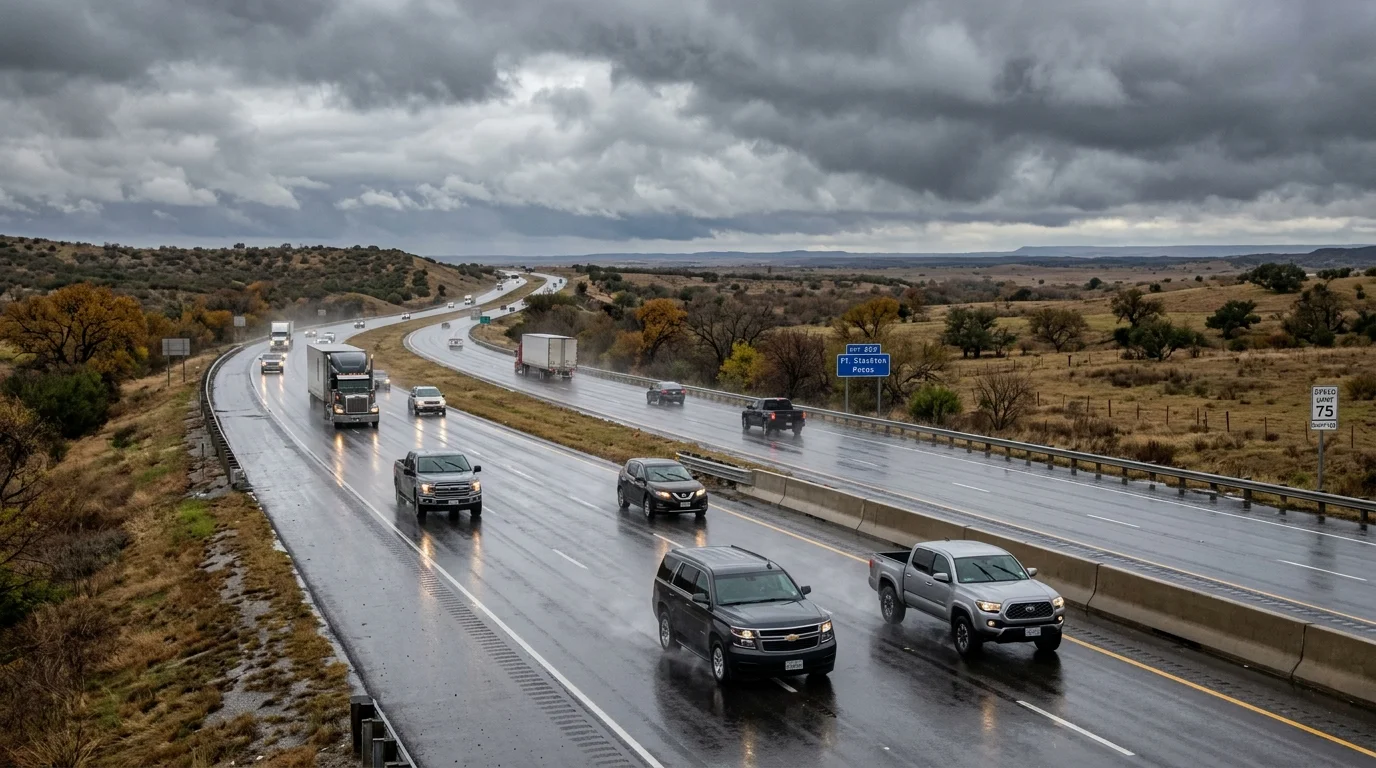
Texas Winter Outlook Favours Wetter Conditions From Strengthening El Nino
NOAA’s October 15 winter outlook favours wetter-than-average conditions across the southern United States, including Texas, from December 2026 through February 2027. A strengthening El Niño is expected to influence storm tracks, although the outlook does not predict individual winter storms.
Key Takeaways
- Temperature outlook: Areas assigned equal chances have no favoured outcome among above-normal, near-normal or below-normal seasonal temperatures.
- Precipitation shift: The seasonal consensus indicates increased winter precipitation odds rather than guaranteed extreme storm anomalies.
- Soil moisture impact: Added rainfall might benefit winter crops, though repeated storms risk fields becoming saturated.
Pacific Ocean Trends Shift Southern Jet Stream
NOAA’s Climate Prediction centre reported on October 8 that El Niño continued to strengthen. Forecasters expect strong-to-very-strong conditions to persist into early 2027, although the timing and intensity of the event remain subject to forecast uncertainty.
According to regional discussions compiled by KTEN, atmospheric indicators remain subject to ongoing analysis as winter approaches.
Local updates published by The Gilmer Mirror have highlighted how these ocean variations tend to align with storm tracks over the southern plains.
Regional Moisture and Precipitation Outlook
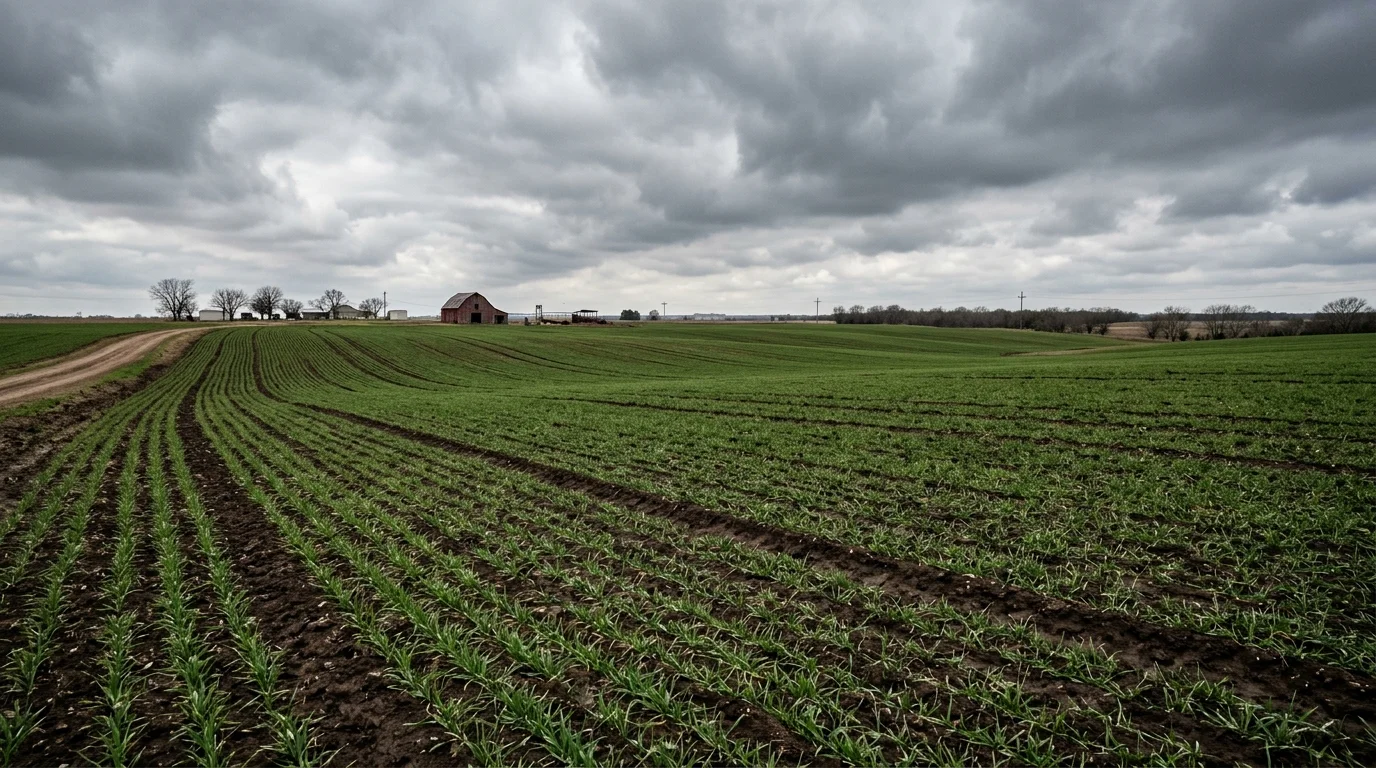
Above-normal winter precipitation could improve soil moisture and ease drought conditions in parts of Texas. For farmers, additional rainfall may benefit winter crops and water supplies, but repeated heavy storms could leave fields saturated and interrupt agricultural operations.
NOAA’s seasonal outlook does not specify rainfall totals for individual counties.
#
Will Texas experience record cold temperatures in 2026?
NOAA’s seasonal outlook does not predict record cold temperatures or specific local storm tracking. Instead, the forecast indicates broad probabilities over a three-month period.
Frequently Asked Questions
Why is El Niño causing more rain in Texas this winter?
The intensifying climate pattern establishes a more active storm track across the southern tier of the United States. This atmospheric modification increases regular moisture flow, creating higher broad probabilities for regional winter precipitation.