Air India and Delhi Airport Begin Cargo Transshipment Trials
Air India and Delhi International Airport have commenced operational trials for cargo transshipment under updated regulatory guidelines. This crucial framework eliminates the requirement for secondary security screening during transit phases. The initiative aims to dramatically streamline logistics, reducing both operational costs and ground handling times for domestic carriers.
Key Highlights
- Air India has initiated cargo transit trials from South India to Europe utilizing Delhi as a central hub.
- A updated Bureau of Civil Aviation Security rule removes mandatory transit x-ray screening under specific safety conditions.
- Indian airports currently encounter higher transit times and expenses compared to competing international regional hubs.
- The regulatory overhaul supports the national strategic objective to manage 10 million tonnes of air cargo by 2030.
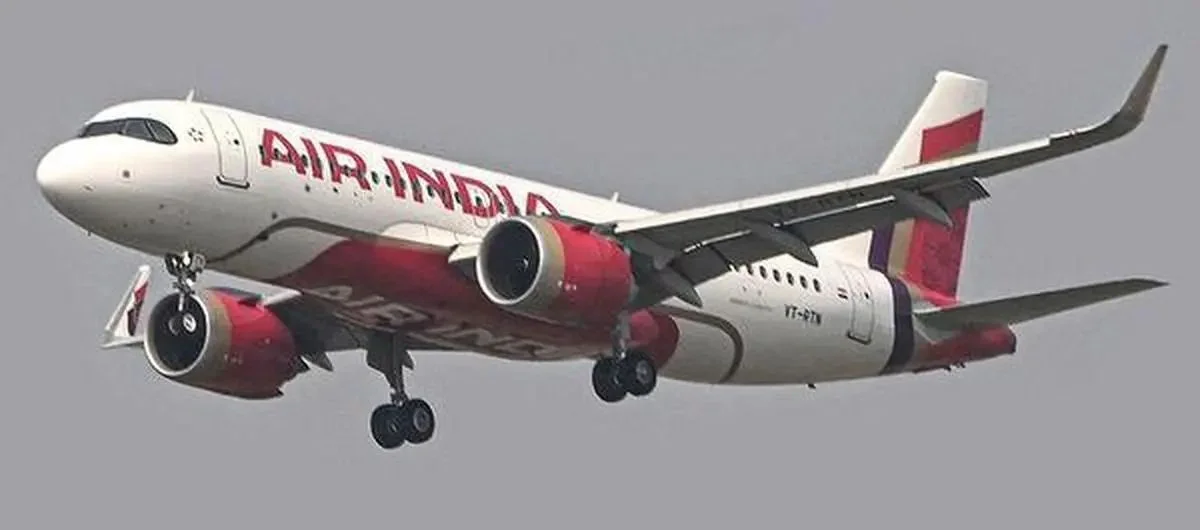
A specialized source confirmed that operational trials for freight transshipment have commenced, with Air India transporting commercial cargo from Southern India to European destinations via Delhi.
Air India and the operators of Delhi airport are testing cargo transshipment under a newly enacted regulation that waives the requirement for secondary screening during transit.
Once fully deployed, the updated framework will assist domestic airlines in maximizing cargo load factors and accessing untapped international markets. The policy serves as a critical enabler for domestic airports competing directly with established regional hubs for international traffic flows.
Under current operational guidelines, all freight transshipped through domestic airports must undergo compulsory x-ray security screening during transit. This regulatory requirement applies equally to domestic cargo moving between different aircraft. The process increases overall expenditures and lengthens ground turnaround times, reducing the competitiveness of local airlines and hubs against regional peers.
The Bureau of Civil Aviation Security modified this operational framework last July. The amendment permits the transshipment of commercial goods without secondary screening at transit hubs, subject to defined security protocols.
The updated aviation security directive mandates the establishment of dedicated transfer cargo security hold areas at participating airports. These specialized zones must store and safeguard transit cargo and mail from unauthorized access using approved security control protocols.
Cargo transshipment
The aviation gateway in Delhi operates a specialized airside zone dedicated exclusively to the processing of transshipment freight. Launched in 2019, the facility requires formal evaluation by aviation security regulators and official certification as a regulated agent to guarantee compliant freight handling.
Express Industry Council of India CEO Vijay Kumar stated that the regulatory shift represents a positive development that will stimulate domestic freighter operations.
Kumar noted that domestic hubs must permit direct ramp-based tail-to-tail cargo transfers between aircraft. He added that airports require high-speed screening infrastructure to ensure accelerated clearance timelines.
Total air freight handled across domestic airports climbed 6.2% year-on-year to reach 3.96 million tonnes during fiscal year 2026. Delhi maintains its position as the premier freight hub, while Chennai recorded the quickest expansion with an 11.7% volume surge.
Transit cargo currently represents under 10% of the aggregate domestic air freight volume. This policy relaxation is projected to accelerate industry growth as the nation targets an annual handling capacity of 10 million tonnes by 2030.
Kumar concluded that high-speed freight clearance remains an essential component for the country as it targets a major expansion in cross-border e-commerce outbound shipments.
Future Outlook
The liberalization of transshipment rules marks a structural shift in India’s aviation logistics ecosystem. By eliminating redundant screening, major hubs like Delhi and rapidly growing centers like Chennai are positioned to capture a larger share of international multi-modal freight traffic. The creation of secure, certified airside transfer zones will likely attract global logistics integrators, positioning Indian carriers to compete directly with dominant Middle Eastern and Southeast Asian hub air carriers ahead of the 2030 volume milestones.
FAQs
What is the new cargo transshipment rule implemented by BCAS?
The updated rule issued by the Bureau of Civil Aviation Security allows commercial cargo to undergo transshipment at transit airports without mandatory re-screening, provided the freight is managed within certified, secure hold areas to prevent unauthorized interference.
Which airlines and airports are currently trialing this new transshipment framework?
Air India and Delhi International Airport are actively conducting operational trials under the revised guidelines, moving commercial cargo from origins in South India to European destinations through the Delhi hub.
How does the previous x-ray screening rule impact Indian aviation hubs?
The prior mandate required all transshipment cargo, including domestic freight switching aircraft, to be re-screened via x-ray. This repetitive process increased handling costs, extended ground turnaround times, and lowered the global competitiveness of domestic airports.
What is India’s total air cargo target for the end of the decade?
India aims to scale its total air cargo handling capacity to 10 million tonnes by the year 2030, supported by policy relaxations, cross-border e-commerce growth, and improved airport infrastructure.