GSRTC Launches Premium Express Bus Services on Key Highways
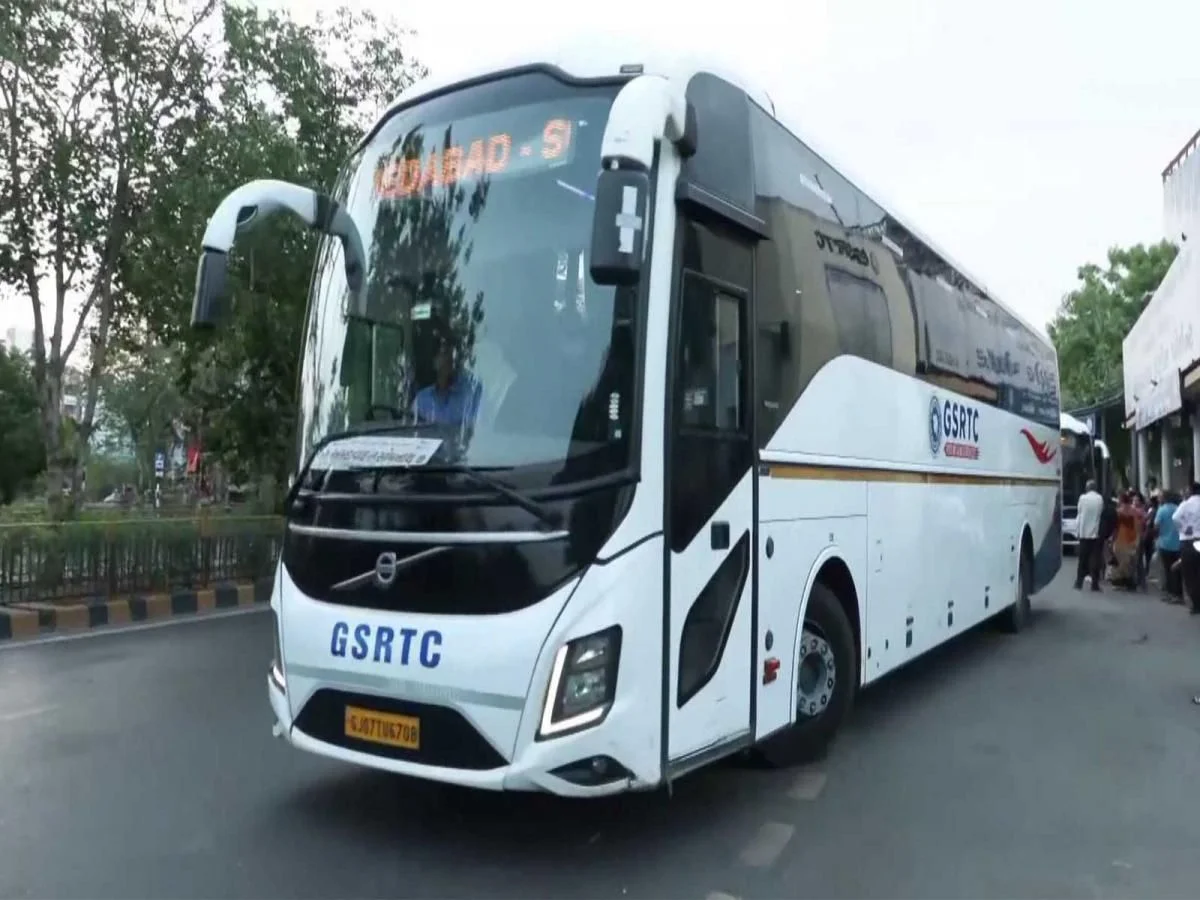
The Gujarat State Road Transport Corporation has rolled out advanced air-conditioned bus operations utilizing the Ahmedabad-Dholera and Delhi-Mumbai Expressways. This strategic deployment aims to minimize transit times, lower commuting expenses, and optimize intercity network connectivity across the state.
Key Highlights
- New premium cooling transit operations connect major state hubs via newly built expressways.
- Standard ticket pricing drops for crucial routes, including travel to Bhavnagar and Surat.
- Upgraded Volvo models feature high-tech security, including closed-circuit cameras and thermal alarms.
- Online seat reservations are fully operational via official digital applications and portals.
The state transit department has routed its high-end cooling buses servicing the Ahmedabad-to-Bhavnagar corridor through the Ahmedabad-Dholera Expressway. This configured route maintains 24 daily operations, adjusting the standard passenger ticket price downward to Rs 336.
Simultaneously, direct Volvo operations connecting Ahmedabad and Surat now utilize the expansive Delhi-Mumbai Expressway. Ticket prices for this specific route drop to Rs 687, providing immediate savings of up to Rs 61 per traveler alongside swift transit.
Daily commuters have responded positively to the update, noting that reduced pricing structures and enhanced route networks make state-sponsored public transit highly competitive and affordable.
Local passenger Kunal Somani noted that the operational updates are excellent, adding that ticket price drops of roughly Rs 40 to Rs 50 make premium travel highly accessible for average working-class citizens.
Another regular traveler, Vishal Agola, emphasized that the deployment of these modernized Volvo vehicles guarantees highly comfortable transit options, particularly during peak summer heatwaves.
Agola stated that government transit bodies have integrated these temperature-controlled vehicles to elevate commuter comfort, noting the reduced price points will naturally incentivize more individuals to opt for mass transit systems.
These modern state-owned cooling fleets feature enhanced interior configurations, superior passenger legroom, surveillance cameras, thermal sensors, and computerized tracking architecture to maximize onboard safety and comfort metrics.
Frequent passenger Jaideep Parmar highlighted the structural punctuality and general operational delivery of the newly updated transport infrastructure.
Parmar stated that the fleet is reliable, heavily cost-effective, and consistently adheres to strict schedules, showing clear operational advancement across the state network.
According to management figures within the state transport body, preliminary consumer engagement metrics are highly promising, driving the organization to plan further network scaling to match accelerating public requirements.
State Transit Public Relations Officer Shraddha Bhatt affirmed that regional passengers are experiencing substantial logistical advantages through optimized Volvo routes and minimized fare matrices.
Bhatt concluded by clarifying that passenger ticketing across all operational routes remains fully available for purchase online through the centralized transport portal and dedicated smartphone software.
By systematically deploying fleets across the state’s growing highway infrastructure, regional authorities plan to establish rapid, highly secure, and economical intercity transport while driving broad public transit adoption.
Future Outlook
The integration of premium state buses onto major transport corridors signals a broader push by regional planners to maximize the utility of newly engineered expressways. As regional industrial corridors expand, transit authorities intend to establish additional high-speed links, reducing dependency on private vehicles. Observers anticipate that further route optimizations will roll out as secondary infrastructure links open to traffic later this year.
FAQs
What are the new ticket prices for the GSRTC Ahmedabad to Surat route?
The non-stop Volvo service traveling via the Delhi-Mumbai Expressway now costs Rs 687, allowing passengers to save up to Rs 61 per journey.
How many daily trips are scheduled between Ahmedabad and Bhavnagar?
The transport corporation manages 24 daily scheduled trips between Ahmedabad and Bhavnagar utilizing the Ahmedabad-Dholera Expressway corridor.
What safety features are installed on the new GSRTC AC buses?
The modernized premium fleet comes equipped with high-definition CCTV surveillance cameras, integrated fire alarms, advanced monitoring systems, and spacious seating arrangements.
Where can travelers purchase tickets for these updated express routes?
Passengers can secure reservations digitally by utilizing the official website of the state transport corporation or via their dedicated mobile transit application.