New Market: India Promotes Mangoes in Iceland to Boost Agricultural Exports
New Delhi has initiated a targeted strategy to expand its European agricultural footprint, launching its inaugural promotional campaign for premium mangoes in Northern Europe. The diplomatic and trade push seeks to leverage newly established trade frameworks to capture market share in high-value Nordic consumer segments.
Key Highlights
- India executed its first-ever mango promotional events in Reykjavik and Akureyri to target the Icelandic fruit market.
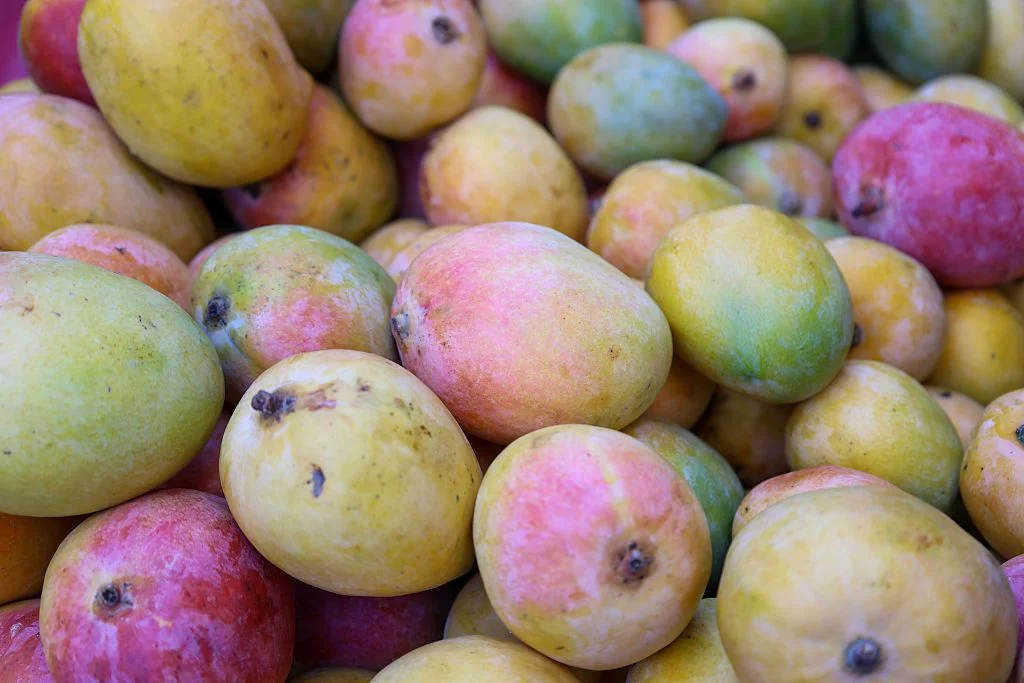
- The campaign showcased four premium varieties: Dasheri, Chausa, Langra, and Kesar.
- Officials highlighted the India-EFTA Trade and Economic Partnership Agreement (TEPA) as a critical catalyst for future trade.
- Iceland imported $3.3 million worth of mangoes in 2025, primarily sourcing from Thailand, Brazil, and Peru.
The Indian Embassy in Reykjavik collaborated with the Agricultural and Processed Food Products Export Development Authority (APEDA) to orchestrate the debut Indian Mango Promotion Events. The trade push took place in the capital city of Reykjavik on June 24, 2026, followed by a second session in Akureyri, North Iceland, on June 25, 2026.
The bilateral showcases introduced four of India’s top-tier mango cultivars to local stakeholders: Dasheri, Chausa, Langra, and Kesar. Organizers utilized the exhibitions to demonstrate the diverse horticultural profile of the South Asian nation and signal its capacity to fulfill sophisticated European import requirements.
Indian Ambassador to Iceland, R. Ravindra, addressed attendees to emphasize the distinct flavor profiles and global reputation of the country’s produce. He underscored that significant untapped potential exists to scale up commercial fruit shipments directly into Icelandic supply chains.
Sveinn K. Einarsson, Director of Trade Agreements at Iceland’s Ministry for Foreign Affairs, focused on the regulatory advantages provided by the India-EFTA Trade and Economic Partnership Agreement (TEPA). Einarsson noted that this specific economic pact is positioned to streamline import protocols and fortify broader bilateral commerce.
The Icelandic Federation of Trade expressed strong commercial alignment with the initiative. Secretary General Ólafur Stephensen reported expanding curiosity among domestic enterprises regarding Indian markets, projecting an optimistic trajectory for importing high-grade agricultural items.
Anisha Tomar, Second Secretary at the Indian Embassy, delivered an industry presentation outlining the scale of India’s position as the dominant global mango producer. Tomar detailed state-backed initiatives aimed at enhancing quality control frameworks, securing new market entry, and funding international marketing campaigns.
The diplomatic and commercial gatherings attracted a specialized audience of institutional importers, foreign diplomats, Nordic corporate executives, and Icelandic foreign ministry representatives. Attendees participated in tasting sessions where the aromatic profiles and sugar-acid balance of the four varieties received strong validation.
The promotional trade tour functioned as a strategic node for building business-to-business networks. It also established operational baselines intended to deepen long-term economic integration between the two countries via high-value agrarian commerce.
Market intelligence compiled by APEDA indicates that Iceland relies heavily on a diverse network of southern hemisphere and tropical suppliers, including Thailand, Brazil, Cambodia, Ghana, and Peru. Total Icelandic mango inbound shipments reached an estimated $3.3 million during 2025.
Out of that total market spend, Thailand secured the leading position by supplying nearly $1 million worth of the fruit to Icelandic buyers. This establishes a clear benchmark that Indian trade authorities aim to challenge using premium varieties.
Direct consumer feedback gathered during the two-day event highlighted strong localized demand for mango products across specific culinary segments. Icelandic consumers favor the fruit for smoothies, specialized desserts, and fresh salads, confirming a viable retail market for incoming Indian shipments.
Future Outlook
The execution of this trade drive signals a shifts in India’s agricultural export strategy toward affluent Nordic economies. Moving forward, the ratification and operationalization of the India-EFTA TEPA will serve as the primary legal and economic engine to reduce tariffs. Indian exporters must now establish cold-chain logistics capable of maintaining fruit quality over extended transit distances to successfully displace entrenched competitors like Thailand and Brazil.
FAQs
Which Indian mango varieties were introduced to Iceland?
The promotional campaign showcased four premium varieties: Dasheri, Chausa, Langra, and Kesar, chosen for their distinct aromas and high quality.
What is the current size of Iceland’s mango import market?
Iceland imported approximately $3.3 million worth of mangoes in 2025, with Thailand acting as a major supplier by accounting for nearly $1 million of that total.
How does the India-EFTA agreement impact fruit trade?
The India-EFTA Trade and Economic Partnership Agreement (TEPA) creates institutional mechanisms and trade trade concessions that facilitate easier, cost-effective entry for Indian agricultural goods into Iceland.